Quality over quantity shopping centers on prioritizing product longevity and high functional value rather than low prices or sheer volume. To master this trend, consumers should research brand durability, seek items with proven utility; and shift toward intentional purchases that offer long term emotional satisfaction. This selective approach allows shoppers to invest in fewer, better items that withstand market shifts and promote sustainable consumption habits.
We have all felt the frustration of a wardrobe full of clothes yet nothing to wear. This exhaustion stems from a cycle of fast consumption that leaves your home cluttered and your investment wasted. As the market shifts toward extreme selectivity in 2026, the demand for longevity is no longer just a preference; it is a necessity for the discerning consumer. Understanding how to identify true craftsmanship versus clever marketing is the key to building a collection that lasts. In this guide, we explore the structural shift toward intentionality and the practical tools you need to evaluate product integrity. You will learn to navigate the middle ground between restrictive low buy movements and smart, curated acquisitions that define modern luxury.
The Structural Shift: Why 2026 Shoppers are Moving Beyond Impulse
The retail landscape in 2026 reflects a fundamental transformation in consumer behavior. Recent research from the NRF and Deloitte indicates that we have moved past the temporary pressures of inflation into a permanent, structural shift. Shoppers are no longer merely reacting to price hikes; they are adopting a refined strategy focused on long term utility. This represents a significant departure from the 2020 era characterized by panic buying and volume based consumption.
Today, the selective shopper converts at a rate 12% lower than in previous years, yet they spend 16% more on each individual item they purchase. This data confirms a growing preference for quality over quantity shopping. Consumers are prioritizing products that solve specific problems and withstand daily use rather than filling digital carts with disposable novelties. In this environment, value is defined by longevity and performance rather than the lowest sticker price.
For a modern marketplace like Allivhu Shops in Nephi, this trend dictates a move away from generic, mass produced goods. By providing a curated selection of practical products, we respond to a market that values evidence based trust over marketing hype. We utilize data-driven curation and efficient fulfillment to ensure that every item offered meets a high standard of functional value. Successful shopping in 2026 requires a smart product selection that emphasizes durability. This transition from impulse to intention ensures that every dollar spent contributes to a more organized and efficient household, rather than just adding to the clutter of a home.
What Does Quality Over Quantity Mean in a Modern Economy?
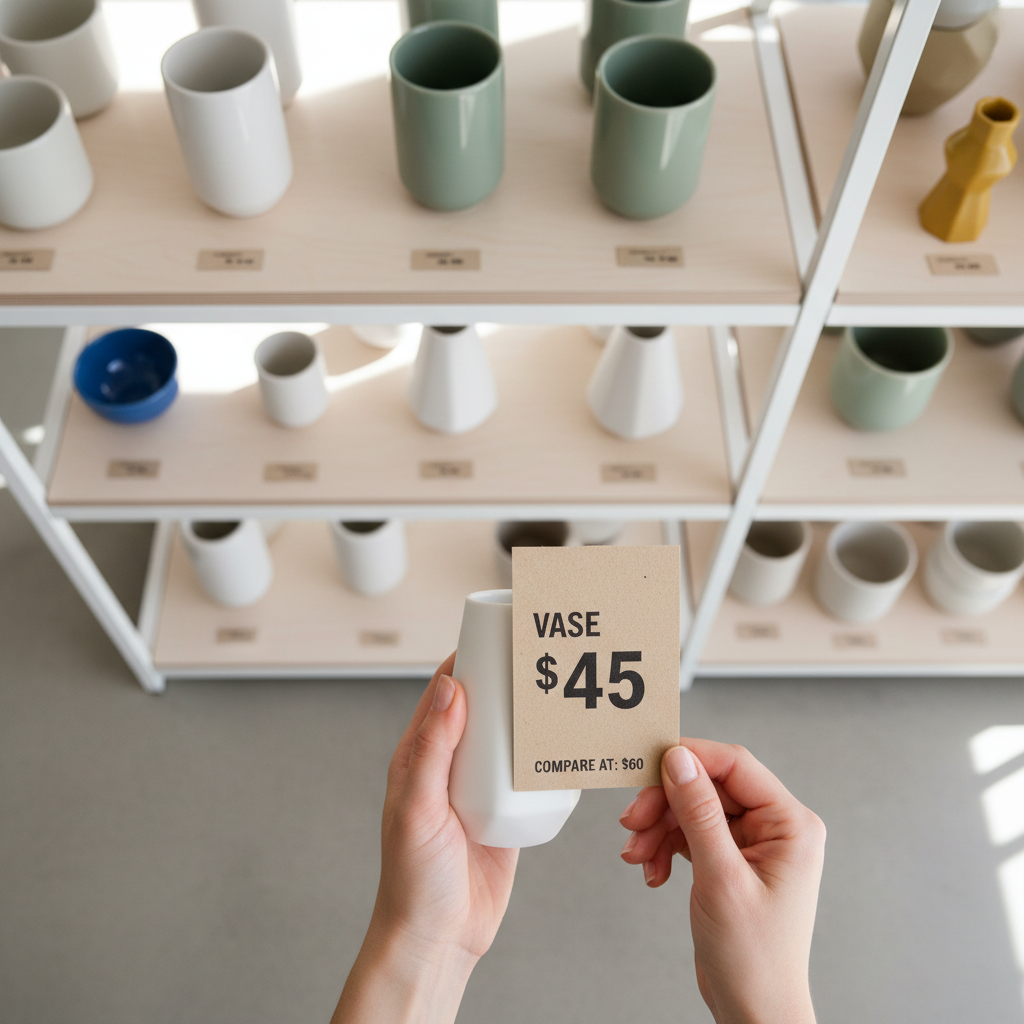
Achieving this household efficiency requires a clear definition of what constitutes value in a modern economy. Many consumers mistakenly view quality over quantity shopping as a luxury lifestyle choice or a preference for high end designer labels. In reality, this approach has evolved into a practical financial strategy designed to combat the rising cost of living by maximizing the lifespan of every dollar. It represents a shift from a disposable culture, where items are treated as temporary solutions, to a durability culture, where purchases are evaluated as long term assets.
The financial logic is best illustrated through a cost-per-use comparison. Consider the difference between a low cost, mass produced kitchen tool and a professional grade equivalent:
Product Type | Initial Cost | Expected Lifespan | Annualized Cost |
|---|---|---|---|
Disposable Grade Item | $10.00 | 3 Months | $40.00 |
Professional Grade Item | $30.00 | 3 Years | $10.00 |
In this modern economy, quality is no longer a subjective feeling of craft; it is defined by specific, data driven factors. At Allivhu Shops, we evaluate quality through three primary lenses: longevity, multi purpose utility, and sourcing transparency. A product is only as good as its weakest component, and a truly high quality item must provide functional value across multiple use cases to justify its footprint in a home. This is why we focus on a smart product selection that emphasizes versatile tools over single use gadgets.
By prioritizing a curated selection of practical products, shoppers can avoid the cycle of frequent replacements. We utilize data-driven curation and efficient fulfillment to identify items that meet these rigorous standards before they ever reach our shelves. This methodology ensures that value is measured not by the transaction price, but by the performance and reliability the product provides over its entire lifecycle.
How to Tell if a Product is Good Quality Before Buying

Identifying durability in a marketplace saturated with options requires moving beyond aesthetic appeal to analyze physical composition. The 2026 consumer acts as a researcher, seeking evidence-based trust rather than relying on promotional descriptions. To master quality over quantity shopping, prioritize natural fibers such as linen and organic cotton in textiles. These materials possess higher tensile strength and better thermal regulation than synthetic blends, which often degrade after a few dozen wash cycles. In home goods, look for solid construction markers: heavy-gauge stainless steel, borosilicate glass, and solid wood rather than composite materials or thin, brittle plastics.
Technical specifications provide the most reliable roadmap for quality. A shopper should look for specific metrics rather than vague adjectives.
Product Category | Marketing Fluff (Avoid) | Technical Specs (Search For) |
|---|---|---|
Textiles | "Cloud-like softness" | Fiber length, GSM (Grams per Square Meter) |
Storage & Tools | "Industrial strength" | Wall thickness, Material grade (e.g., 304 Steel) |
Household Tech | "Top-rated performance" | Battery cycle life, IP water-resistance ratings |
At Allivhu Shops, we streamline this research phase for our customers. Through data-driven curation and efficient fulfillment, we pre-screen every item against these rigorous standards. Our smart product selection process filters out products that rely on marketing hype, focusing instead on items with verifiable durability. By offering a curated selection of practical products, we ensure that the research is already done, allowing you to focus on the utility of the item rather than questioning its longevity.
The 48 Hour Rule and Other Tools for Intentional Consumption
Mastering quality over quantity shopping requires shifting from emotional impulse to logical analysis. The 48 hour rule serves as the primary tool for this transition. By mandating a two day cooling off period between the initial desire and the final transaction, you introduce intentional friction that allows the brain to move past the dopamine spike of discovery. During this window, you can evaluate if the item addresses a genuine need or if it is a reaction to temporary stress or clever marketing.
Beyond the pause, two other frameworks help maintain household equilibrium. The Cost-Per-Use (CPU) calculator quantifies value by dividing the price by the expected number of uses over the item's lifespan. An investment in a smart product selection often reveals that higher upfront costs result in a lower daily expense. Additionally, the One-In, One-Out rule prevents clutter by requiring that for every new addition to your home, an existing item must be removed.
Tool | Primary Objective | Practical Application |
|---|---|---|
48 Hour Rule | Emotional Regulation | Wait 48 hours before clicking "buy" to ensure logic overrides impulse. |
CPU Calculator | Financial Valuation | Divide price by estimated uses to find the true cost per day. |
One-In, One-Out | Spatial Management | Remove one existing item for every new item purchased to prevent clutter. |
At Allivhu Shops, our data-driven curation and efficient fulfillment ensure that when you do decide to buy, you are selecting from a curated selection of practical products designed to survive these rigorous filters. These methods transform shopping from a passive habit into an active, strategic experiment in resource management.
Curation as a Service: Why Small Retailers are the New Gatekeepers
The shift toward intentional consumption has transformed the role of the retailer from a passive supplier into a strategic gatekeeper. As shoppers adopt a buy less, buy better mentality, the primary challenge is no longer access to goods but the filtration of mediocrity. Large scale platforms often exacerbate infinite scroll fatigue, presenting hundreds of low quality variations that force the consumer to perform hours of unpaid labor in product research just to avoid a bad purchase.
Small, tech forward marketplaces solve this by offering curation as a service. At Allivhu Shops, we utilize smart product selection to eliminate the paralysis caused by excessive choice. Instead of listing 50 mediocre versions of a household essential, we identify three excellent options that meet our standards for durability and utility. This approach facilitates quality over quantity shopping by honoring the 2026 consumer’s need for evidence based trust; we verify the materials and construction specifications so you do not have to.
By integrating data-driven curation and efficient fulfillment, we bridge the gap between local reliability and modern technology. Our Nephi, Utah based operations ensure that a curated selection of practical products is delivered without the logistical delays or impersonal service typical of global conglomerates. Connected retail channels allow for a seamless transition between discovering a product and securing it, ensuring that your energy is spent on using the item rather than searching for it. In a market where value is the ultimate currency, the gatekeeper’s job is to protect the customer’s time, space, and budget from the noise of overproduction.
Smart Buy vs. Low Buy: Finding Your Sustainable Middle Ground

Adopting a low-buy mindset often feels like an exercise in deprivation, where the goal is to stop spending entirely. However, research from BCG suggests a more nuanced reality for 2026. While nearly 70% of consumers will refuse a product they can afford if it lacks perceived value, their underlying ambitions remain focused on longevity and well-being. This shift suggests that the most sustainable approach is not to stop shopping, but to transition into a Smart Buy framework. While a low-buy challenge acts as a temporary reset, smart buying is a long term strategy that prioritizes the items impacting your daily life every single hour.
Sustainable consumption focuses on high-frequency essentials rather than low-frequency novelties. Investing in a professional grade kitchen tool or a high performance storage system provides more value than a dozen niche gadgets that gather dust. The objective is to enhance your living environment through a smart product selection that emphasizes utility. By investing in these foundational pieces, you reduce the long term friction of daily chores and home management.
Strategy | Core Philosophy | Resulting Environment |
|---|---|---|
Low-Buy | Total deprivation and spending freezes | Stagnation; delayed replacement of failing tools |
Panic Buy | Reactivity and volume-based acquisition | Cluttered spaces and high waste |
Smart Buy | Intentional investment in daily essentials | Optimized efficiency and long term value |
At Allivhu Shops, we recognize that your home is an ecosystem requiring high quality inputs to function well. We facilitate quality over quantity shopping by identifying the products that offer the greatest return on investment for your daily routine. Through data-driven curation and efficient fulfillment, we ensure that Nephi residents and online shoppers can access a curated selection of practical products that support a balanced, sustainable lifestyle. This approach allows for growth and well-being without the extremes of total austerity.