Small retailers compete with big box stores technology curation by integrating AI-driven inventory systems with highly personalized service that larger chains often lack. These businesses leverage agility and niche product selections to prioritize value over price; this strategy builds lasting community loyalty through unique local expertise. By adopting modern digital tools, smaller shops maintain a human touch while achieving the operational efficiency necessary to thrive in 2026.
Many boutique owners feel an immediate sense of exhaustion when comparing their digital footprint to the monolithic infrastructure of big box giants. The sheer volume of inventory and logistics can seem impossible to match, especially when consumers demand both speed and low prices. However, the retail landscape in 2026 has shifted to favor the agile. True competitive advantage no longer lies in having the most items; it rests in your ability to select exactly what your customer needs before they even know they need it. By leveraging sophisticated technology for curation and operational efficiency, small retailers are reclaiming the market share that giants once dominated through sheer scale. This article explores how you can use targeted data, streamlined systems, and high value curation to outmaneuver industry titans and build a resilient, tech forward brand that thrives on personal connection.
The David and Goliath of Modern Retail: Why Small Shops are Winning
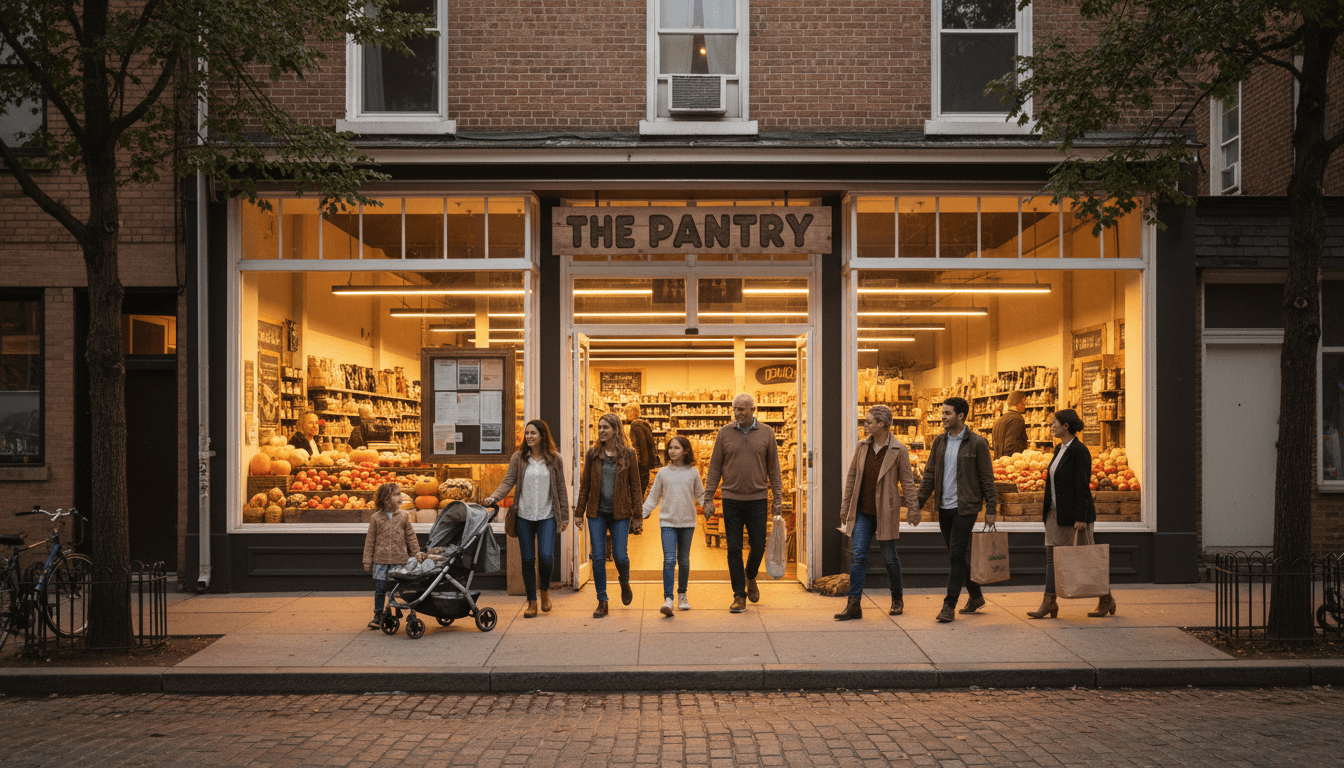
For decades, the retail landscape was defined by the expansion of massive big box chains that prioritized sheer volume and logistical dominance. However, the paradigm is shifting as shoppers move away from the fatigue of impersonal aisles toward a more refined experience. This shift has given rise to the Smart Local model; a strategic intersection where boutique levels of care meet high tech efficiency.
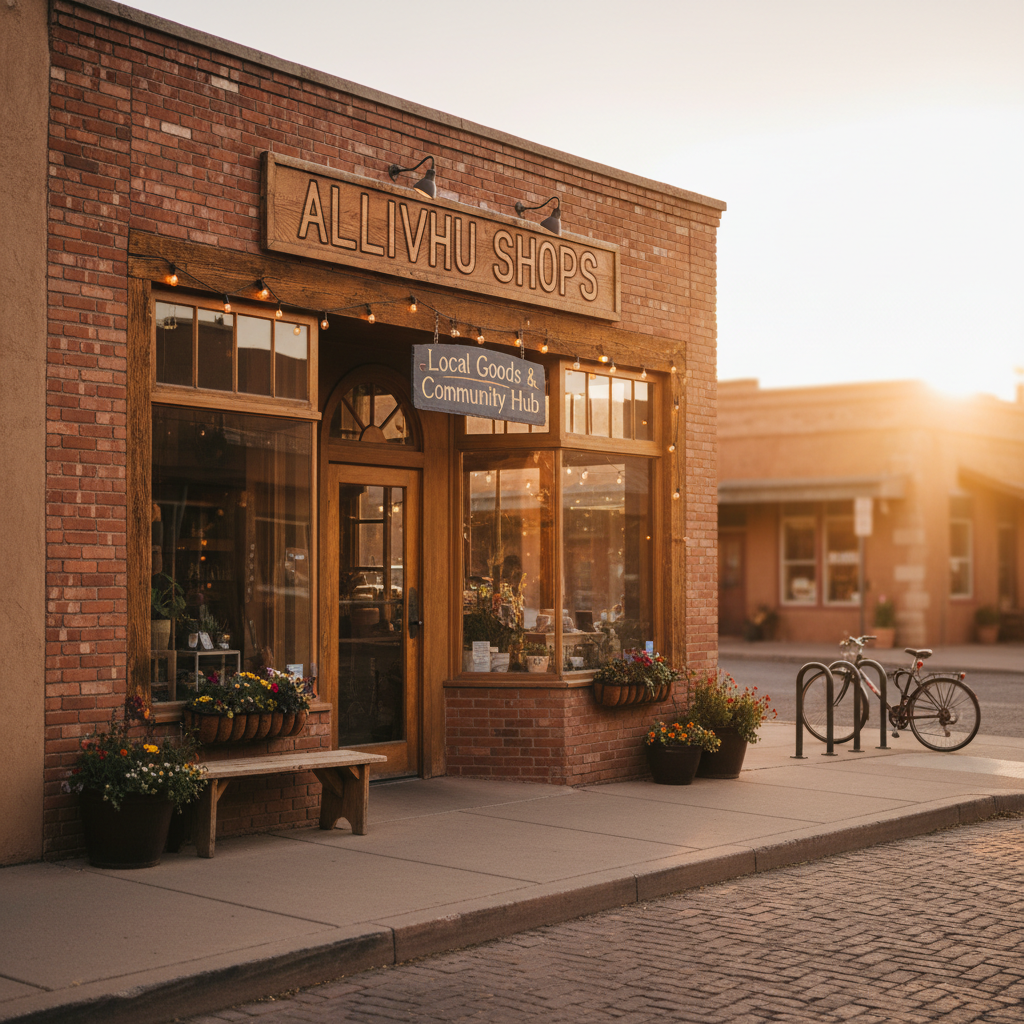
Modern retail success in places like Nephi, Utah, is no longer about having the largest physical footprint. It is about being agile and tech enabled. While massive corporations rely on inventory breadth to capture every possible sale, sophisticated operations like Allivhu Shops utilize advanced systems to prioritize relevance. By leveraging a curated selection of practical products, these smaller entities eliminate the noise of unnecessary inventory and focus on what actually functions well for the user.
Today, small retailers compete with big box stores technology curation as a primary strategy. By using data-driven curation, a shop can identify exactly which high utility items are needed by their specific community. Instead of the outdated mom and pop narrative that relies solely on nostalgia, the modern retailer uses real time demand signals and efficient fulfillment to provide a reliable, premium service that massive, slow moving giants cannot replicate at scale.
Data Driven Curation: Why Less is More for the Modern Shopper

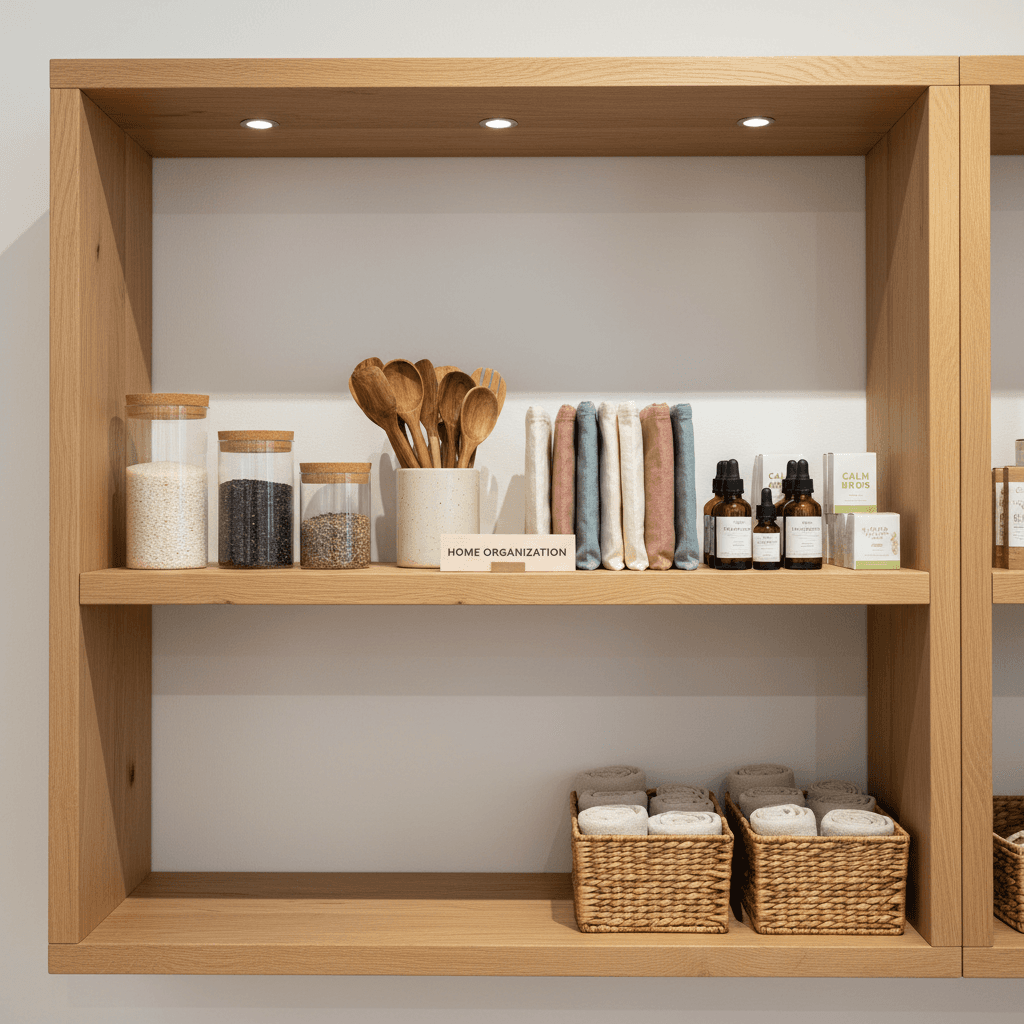
The "endless aisle" was once the gold standard of retail. Large chains boasted about having every possible variation of a product, but for the modern shopper, this often results in choice paralysis. Navigating fifty variations of a single household tool is not convenient; it is exhausting. This is where small retailers compete with big box stores technology curation to provide a more streamlined alternative. By moving away from the "more is better" philosophy, agile shops focus on a curated selection of practical products that have been vetted for quality and real-world utility.
While the traditional boutique model once relied primarily on the intuition of a passionate owner, the current landscape demands more precision. Modern inventory software allows us to move beyond simple personal taste. We analyze real-time sales data and qualitative customer feedback to identify which items truly solve problems for our community in Nephi. If a specific kitchen essential or hardware item consistently underperforms or receives lukewarm reviews, it is removed from the rotation. This process ensures that shelf space, whether digital or physical, is reserved only for high-utility essentials.
Feature | Big Box "Endless Aisle" | Smart Local Curation |
|---|---|---|
Selection Strategy | Volume and variety | Utility and performance |
Decision Process | High fatigue (too many choices) | Low friction (vetted options) |
Inventory Basis | Supplier volume deals | |
Quality Control | Varied and inconsistent | Monitored via real-time feedback |
This method of selective inventory management directly addresses shopper overwhelm. By providing a few excellent choices rather than hundreds of mediocre ones, retailers create a reliable shopping environment. Technology acts as the primary filter, ensuring that every product offered meets a high standard of durability and necessity. This focus on "less but better" allows a shop to maintain consistent value while staying deeply attuned to what customers actually need for their daily lives.
How Small Retailers Use Technology to Streamline Operations
Refining the inventory is only the first step. The operational backbone is what allows small shops to scale without losing their personal touch. Modern retail relies on cloud based ERP and POS systems that synchronize sales across physical and digital storefronts in real time. This synchronization ensures a curated selection of practical products remains in stock, effectively preventing the stockouts that often drive frustrated customers back to national chains.
AI powered business intelligence tools, which were once exclusively used by multi-billion dollar corporations, are now accessible as affordable subscription services. This allows a shop in Nephi to forecast demand with high accuracy, ensuring capital is not tied up in stagnant goods. This technological parity is precisely how small retailers compete with big box stores technology curation and logistics. By leveraging data-driven curation through software, retailers can identify emerging trends and adjust their stock levels before the market shifts.
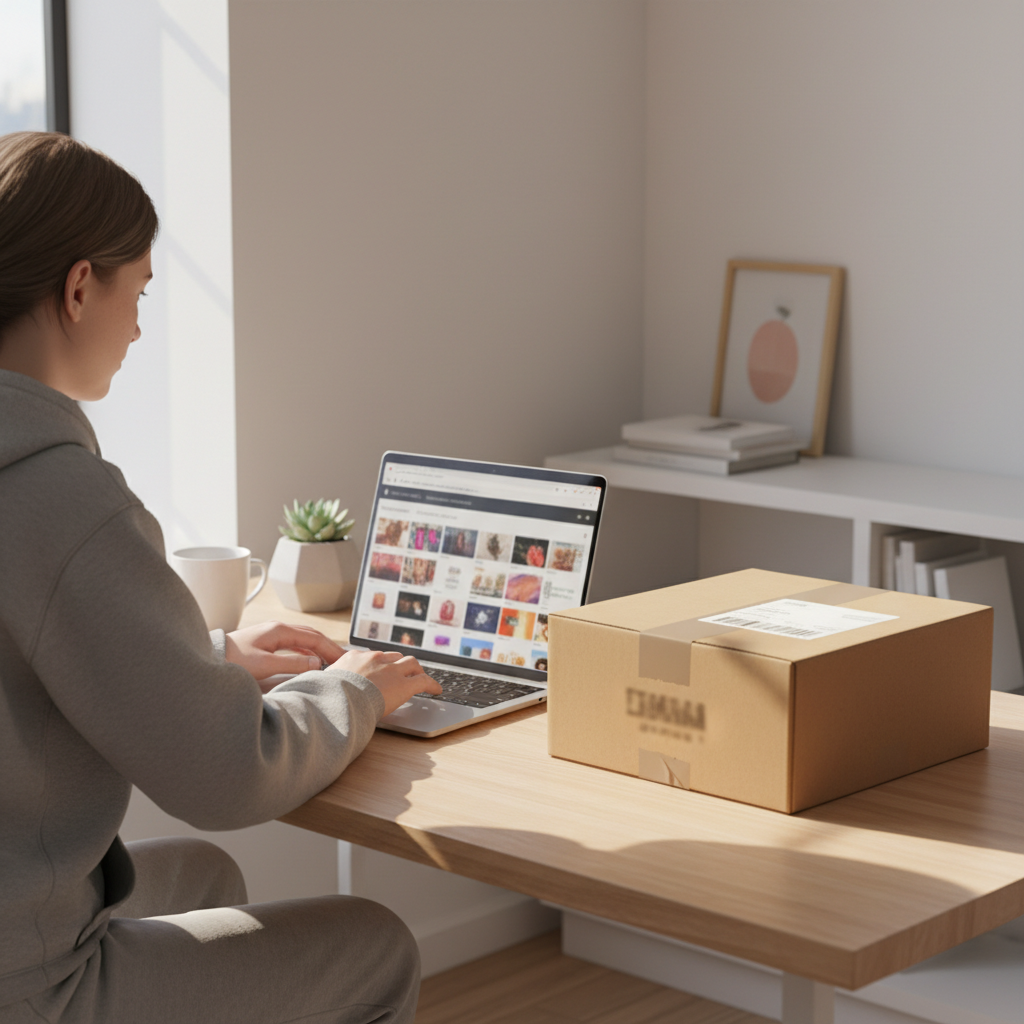
Automated fulfillment software further bridges the gap between a digital order and a doorstep delivery. By integrating directly with shipping carriers and automated labeling systems, a small team can process and dispatch orders with the same professional efficiency as a massive warehouse. Technology is not a replacement for the human element; it is the infrastructure that makes reliability possible. From real time inventory updates to the 24/7 accessibility of a digital storefront, these tools ensure that the customer journey remains seamless and predictable, reinforcing the trust that is central to the retail experience.
The Convenience Factor: Matching Big Box Speed with Personal Care
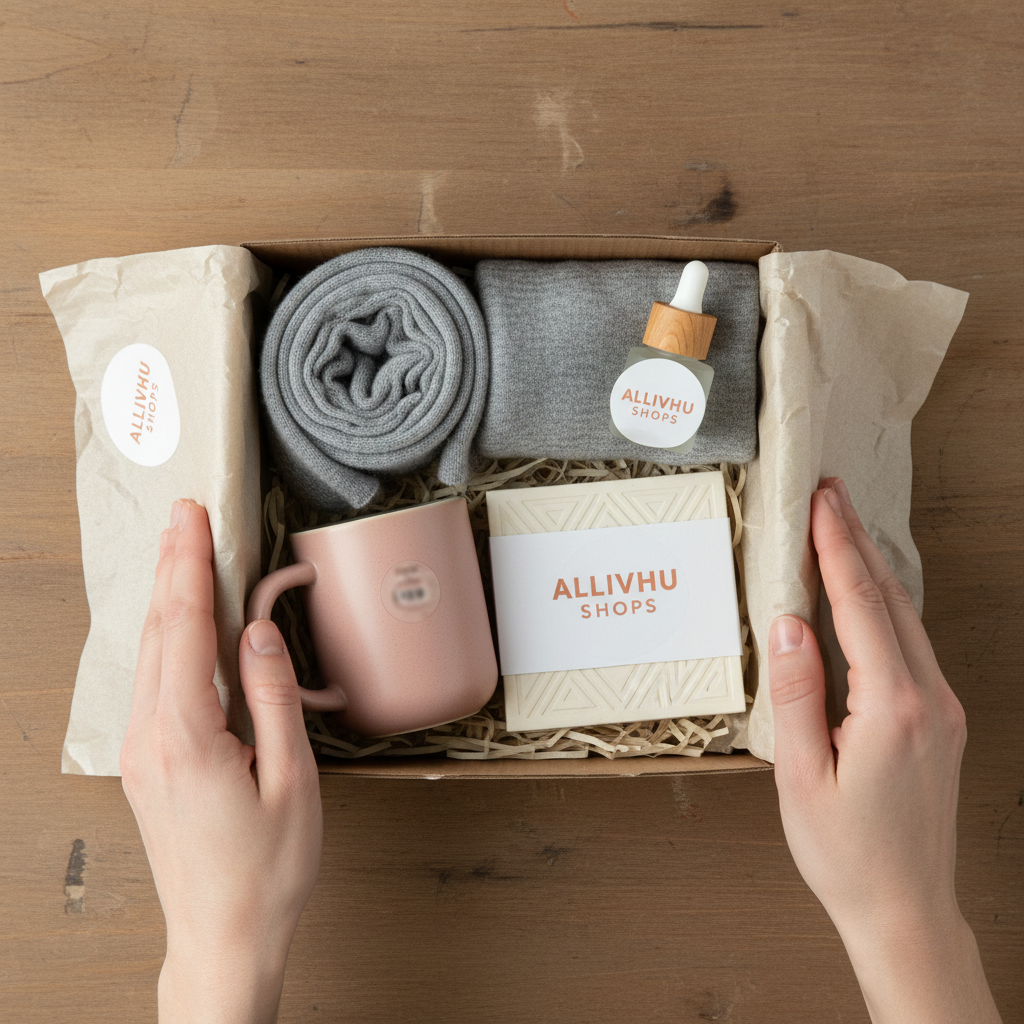
The operational efficiency provided by integrated software directly translates to a superior fulfillment experience. While national chains rely on sheer momentum, agile retailers in Nephi utilize smart fulfillment to bridge the speed gap. By maintaining a curated selection of practical products in a focused environment, a small team can often pick, pack, and dispatch an order with greater agility than a massive fulfillment center where items travel miles on conveyor belts before reaching a human.
This is where small retailers compete with big box stores technology curation and localized logistics. Digital tools now allow for seamless local pickup options, providing the instant gratification shoppers desire without the friction of navigating a three acre parking lot. For those opting for delivery, the process is equally refined. Tech-driven labels and real time tracking ensure reliability, but the physical delivery offers a differentiator that algorithms cannot replicate: the unboxing experience.
Large scale warehouses prioritize speed at the expense of presentation, often resulting in oversized boxes and damaged goods. In contrast, a shop using data-driven curation treats every package as a representation of their brand standards. Items are packed with precision, ensuring they arrive in optimal condition while minimizing waste. This attention to detail transforms a basic transaction into a premium service. By combining the digital speed of modern inventory systems with the tactile care of local oversight, small shops provide a level of functional convenience that feels personal rather than purely industrial.
Competing on Value: Moving Beyond the Lowest Price Tag
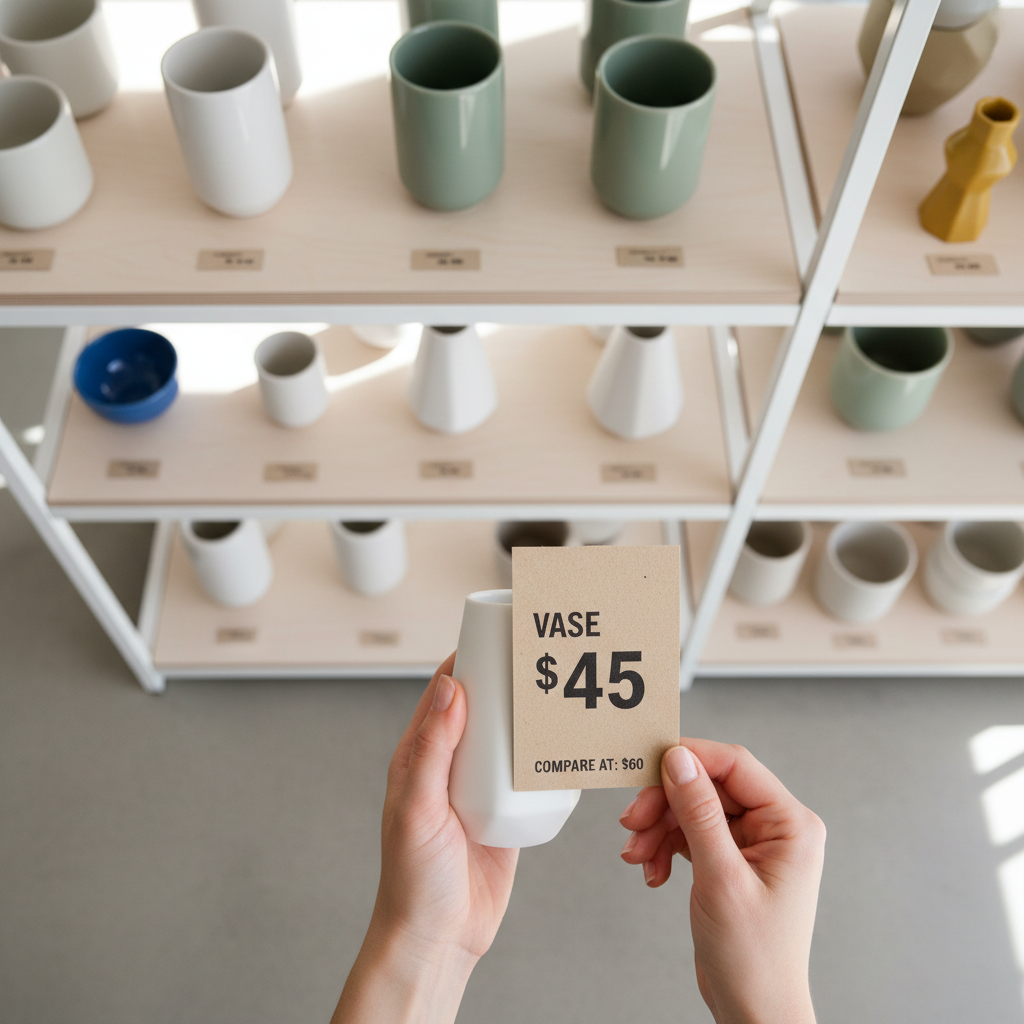
True value in retail is often conflated with the lowest price tag, but sophisticated shoppers understand that value is actually a calculation of durability, utility, and the total cost of replacement over time. Massive discount chains often prioritize high volume sales of goods designed for a short lifespan, creating a cycle of waste where items must be repurchased frequently. By contrast, agile operations like Allivhu Shops focus on a curated selection of practical products that are vetted for their physical integrity and long term performance.
Value Metric | Big Box Discount Model | Smart Local Value Model |
|---|---|---|
Primary Focus | Acquisition price | Total cost of ownership |
Product Lifecycle | Often shorter; high turnover | Built for durability and utility |
Quality Vetting | Supplier-driven volume | |
Material Transparency | Obscured by bulk packaging | Verified through quality assessment |
This shift in focus allows smaller entities to build a different kind of relationship with their customers. We examine the specific textures, weight, and material composition of every item, ensuring that a kitchen tool or a household essential can withstand daily use without failing. Transparency in quality assessment builds a level of trust that national chains cannot replicate at their scale. When customers realize that a slightly higher initial investment results in a product that lasts three times longer, the cheap alternative loses its appeal.
This is one of the primary ways small retailers compete with big box stores technology curation, using specific performance data to justify why a product earns its place on the shelf. By removing the guesswork from quality and focusing on materials that endure, we ensure every purchase is a functional investment rather than a temporary fix. This approach reduces the environmental and financial costs of the replacement cycle, providing a superior long term value proposition to the community in Nephi.
The Community Impact of Tech Forward Local Retail
The shift toward high-utility products naturally strengthens the local economic ecosystem. When a tech-forward retailer in Nephi captures a sale, the revenue does not immediately exit the state to a distant corporate headquarters. Instead, a significantly higher percentage of that capital remains in the community, supporting local infrastructure and services. This is a critical way small retailers compete with big box stores technology curation to create sustainable local growth. By using data-driven curation, we ensure that community spending is directed toward goods that provide long-term functional value rather than disposable alternatives that drain local resources.
As we approach 2026, the trend of "connection over corporate" has become a defining characteristic of successful retail. Modern technology serves as the primary facilitator of these human connections. By automating repetitive administrative tasks, such as inventory reconciliation and logistics, retailers reclaim valuable hours previously lost to back-office management.
Impact Category | National Chain Model | Tech-Forward Local Retail |
|---|---|---|
Local Revenue Retention | Low; profits exported | High; reinvested in community |
Management Focus | Corporate compliance | Local customer engagement |
Efficiency Tooling | Proprietary, rigid systems | |
Community Connection | Algorithmic and distant | Data-informed and personal |
This recovered time is redirected toward expert service and direct engagement with the people of Nephi. Technology handles the operational complexity, allowing the retailer to focus on the nuances of customer needs. The result is a marketplace that offers the speed of a global giant with the specific, attentive care of a local expert.
Retail Trends 2026: The Future is Small and Connected
Looking toward 2026, the retail environment demands a complete integration of advanced logistics and human-centric service. AI-driven forecasting and automated fulfillment have become de rigor for businesses that prioritize reliability over sheer volume. These tools ensure that small retailers compete with big box stores technology curation by maintaining a highly responsive, curated selection of practical products. This evolution allows a shop to focus on the specific needs of the Nephi community while operating with the same precision as a national conglomerate.
The focus for the next year is a reset where efficiency serves connection. Through data-driven curation, retailers eliminate the noise of low-quality inventory, ensuring every item offers tangible utility. The ultimate winner in this shifting landscape is the consumer. You no longer have to choose between the speed of a corporate giant and the personalized care of a local shop. Instead, you get to enjoy a marketplace where big-box efficiency, small-town integrity, and curated quality converge into a single, seamless experience.