
AI shopping tools 2026 will help consumers find better prices and make more confident buying decisions by streamlining the research and comparison process. Shoppers can effectively maintain a human touch by using these tools to narrow down product choices; however, they should always reserve the final purchase decision for themselves.
Searching for the perfect staple often feels like drowning in a sea of generic recommendations that miss the mark. You want efficiency, but you do not want to sacrifice the intentionality that makes a home feel authentic. In 2026, the rise of sophisticated AI shopping tools offers a double edged sword; these platforms promise speed while risking the erosion of personal taste. Navigating this landscape requires a fundamental shift in perspective. Instead of letting algorithms dictate your lifestyle, you must learn to treat them as digital sifters rather than final deciders. This guide explores how to integrate AI for everyday essentials without losing your agency. You will learn to apply timeless curation frameworks, such as the 3-3-3 rule, and discover why local human expertise remains the ultimate safeguard against algorithmic mediocrity. We are moving beyond mere convenience toward a balanced, confident way of shopping.
The Rise of AI Shopping Tools 2026: A New Era of Efficiency

The retail landscape of 2026 is defined by a significant shift in how we source our essentials. According to recent NIQ data, 42 percent of consumers now regularly utilize AI tools to navigate their shopping journeys. This widespread adoption reflects a growing demand for efficiency in an era of infinite choice. By leveraging AI shopping tools 2026, shoppers can instantly filter through thousands of retailers to find specific price points or availability; this effectively outsources the time consuming grunt work of product discovery.
While these algorithms excel at price comparison and specification tracking, the definition of smart shopping remains fundamentally personal. Efficiency serves as the bridge, but the final destination is still determined by human judgment. At Allivhu Shops, we utilize modern technology and data-driven curation to streamline our operations, yet we understand that technology acts as a sifter rather than a decider. By letting digital tools handle the heavy lifting of data aggregation, you can devote your attention to the final selection. This ensures that every item in your home meets your specific standards for quality and utility, maintaining a curated selection of practical products that an algorithm alone cannot fully appreciate.
The Sifter, Not the Decider: Why We Still Distrust Auto-Purchasing
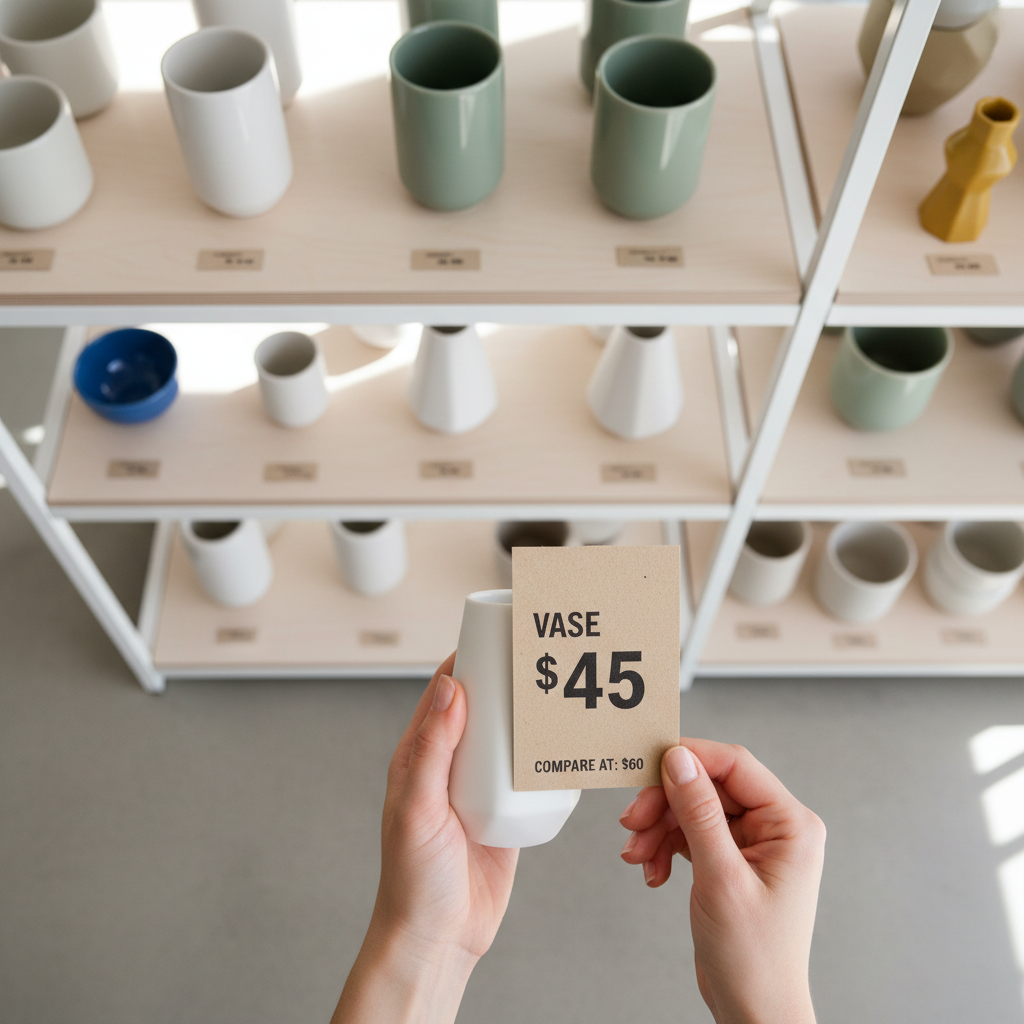
Building on the idea of AI as a sifter, it is important to understand why most shoppers stop at the research phase. Recent research from Gartner highlights a clear boundary in consumer trust; while 31 percent of shoppers are eager for AI to narrow down their product options, a mere 11 percent are willing to delegate the final purchase decision to an algorithm. This 20 percent gap reveals a fundamental psychological barrier between finding an item and owning it.
Efficiency is a quantitative metric, but quality is often a qualitative feeling. A digital tool can identify the best product based on technical specifications and price points, yet it lacks the sensory intuition to know if a specific kitchen tool will feel balanced in your hand or if a fabric will hold up to the actual demands of a busy household. There is a distinct line between data-driven suggestions and human-centered decisions:
Feature | Data-Driven Suggestions | Human-Centered Decisions |
|---|---|---|
Focus | Specifications and price | Utility and tactile quality |
Mechanism | Predictive algorithms | Personal experience |
Goal | Speed and filtering | Long-term satisfaction |
Relinquishing the buy button feels like losing accountability. If an AI selects the wrong size or a sub-par material, the user still bears the cost and the inconvenience of the return. By keeping the final click manual, you ensure that modern technology and data-driven curation serve your needs rather than dictating them. This approach allows you to browse a curated selection of practical products with the confidence that the final gatekeeper of quality remains your own judgment.
How to Use AI for Smarter Everyday Essentials
Integrating AI shopping tools 2026 into your routine starts with managing the mundane aspects of household consumption. Start by deploying AI for subscription optimization. These tools analyze your past purchase frequency to determine if you are actually using that monthly detergent delivery or if a six week cadence would prevent clutter. Next, use large language models to distill thousands of product reviews into a concise durability report. Instead of skimming individual comments, look for AI summaries that specifically aggregate feedback on material fatigue or long term mechanical reliability. This allows you to identify which kitchen utensils or storage solutions truly last.
Traditional smart shopping hacks, such as purchasing household staples in bundles or timing purchases with seasonal promotions, remain effective foundations for a frugal home. AI enhances these tactics by providing real time price transparency. A tracking tool can alert you when a bundle price actually drops below the historical individual unit cost; this ensures your attempt at saving is supported by data rather than marketing labels. By combining the discipline of seasonal planning with the precision of automated price alerts, you maximize the value of every dollar spent on essentials.
We apply this same logic at Allivhu Shops to manage our inventory. By using modern technology and data-driven curation, we filter through thousands of potential stock items to identify which products offer the best real world performance for our customers in Nephi. We handle the technical scrutiny of analyzing reviews and tracking price volatility so that when you browse our curated selection of practical products, the heavy lifting is already finished. This allows you to focus on how an item fits your lifestyle rather than its technical specifications. By the time a product reaches our marketplace, it has already passed a rigorous digital and human vetting process.
The 3-3-3 and 5-4-3-2-1 Rules in the Age of Artificial Intelligence
Smart shopping requires discipline, and classic frameworks like the 3-3-3 and 5-4-3-2-1 rules provide the necessary structure for a clutter free home. The 3-3-3 rule focuses on versatility, challenging you to create numerous combinations from just three tops, three bottoms, and three pairs of shoes. AI shopping tools 2026 elevate this method by using computer vision to visualize how a potential purchase integrates with your existing wardrobe. Instead of guessing, you can use digital renders to confirm compatibility before checking out.
The 5-4-3-2-1 rule promotes mindful consumption by limiting seasonal additions to a strict count: five tops, four bottoms, three shoes, two bags, and one accessory. Modern technology allows you to track the cost per wear of these items with precision. Predictive analytics can now estimate how many cycles a garment or kitchen tool will last based on historical material performance, shifting the focus from the sticker price to long term utility.
Rule | Core Focus | AI Enhancement |
|---|---|---|
3-3-3 | Versatility | Virtual compatibility checking and outfit generation |
5-4-3-2-1 | Mindful Volume | Cost per wear analytics and durability forecasting |
By applying these rules, you ensure that every addition to your home is a curated selection of practical products. We use similar modern technology and data-driven curation to ensure our inventory in Nephi meets these high standards of utility. This synergy between disciplined shopping and advanced tools prevents impulse buys and guarantees that every item serves a distinct, functional purpose.
Why Local Curation Outperforms Pure Algorithms

While AI shopping tools 2026 can parse millions of price points in seconds, they lack the capacity to evaluate functional value. An algorithm identifies the cheapest stainless steel cookware set available, yet it cannot anticipate how those handles feel when the pot is full, or how the metal reacts to the specific household needs of a Nephi family. Data provides the framework, but local curation provides the context.
At Allivhu Shops, we believe that a truly curated selection of practical products requires a bridge between digital efficiency and physical reality. We utilize modern technology and data-driven curation to identify trends and reliability patterns, but the final assessment involves a human eye for quality. This human intervention ensures that the touch, texture, and weight of every item meet a standard that a remote data center simply cannot verify. A generic algorithm might suggest a product based on high review counts, but it cannot guarantee that the fulfillment process is handled with the care required for a local community marketplace.
Metric | Pure Algorithm | Local Curation (Allivhu) |
|---|---|---|
Primary Goal | Price optimization | Functional utility and longevity |
Quality Check | Metadata analysis | Physical inspection and testing |
Context | Global/Generic | Local relevance to Nephi, Utah |
Trust Factor | Automated feedback | Community reputation |
Integrating technology with local expertise transforms shopping from a gamble into a guarantee. By grounding our operations in Nephi, Utah, we turn a global marketplace into a reliable resource where community trust dictates our inventory choices just as much as data does. This approach replaces the cold logic of an automated search with a commitment to real world value.
Balancing Convenience and Confidence in 2026
Designing a shopping workflow for the modern era requires a clear division of labor. AI shopping tools 2026 should function as your primary investigators; they are designed to aggregate data, track price fluctuations, and verify stock levels across the region. This phase is about reducing noise and preventing the overwhelm that typically follows a generic search query. By the time you reach the final selection, the algorithm has already discarded the sub-par options, leaving you to apply the most critical filter of all: personal judgment.
The true value of a retail experience lies in the intersection of efficiency and confidence. At Allivhu Shops, we utilize modern technology and data-driven curation to provide a foundation of reliability. This allows you to interact with a curated selection of practical products that are chosen for their real-world utility rather than just their digital ranking. We believe that technology should empower the customer to make informed, deliberate choices without the stress of infinite scrolling.
Ultimately, a smart purchase in 2026 is defined by simplicity. It is the result of using advanced tools to find the right item, then relying on personal experience to hit the buy button with absolute certainty. This approach ensures that your shopping remains grounded in value and functionality, preserving the practical satisfaction of a well-chosen essential.
Integrating AI into your shopping routine provides speed and efficiency, but it should never replace the thoughtful, human intuition that makes every purchase special. Finding this balance ensures you utilize technology without losing your personal connection to what you buy. If you want expert help navigating these digital tools or finding the right balance for your lifestyle, our team is here to assist. You can explore our curated Products to discover how we combine modern innovation with a traditional human touch.