To choose everyday essentials quality, shoppers should prioritize items made from durable materials and research brand reputations for longevity. Checking for lifetime warranties, reading long-term usage reviews, and being willing to invest more upfront ensures products withstand daily wear and tear.
We have all experienced the frustration of an everyday staple failing far sooner than expected, whether it is a kitchen tool that bends under pressure or a garment that loses its shape after two washes. This cycle of frequent replacements is a symptom of a disposable culture that prioritizes immediate savings over long term utility. At Allivhu Shops, we believe that true value lies in the silent reliability of well made objects. In this guide, we will examine the material science behind durable goods and decode the common value trap of low prices versus actual cost per use. You will learn how to identify quality at a glance and gain insight into our specific curation standards. From selecting resilient fabrics to understanding how items perform in the unique high desert climate of Nephi, this expertise will help you build a collection of essentials that truly last.
The Real Cost of Disposable Culture and the Case for Quality
Most consumers have experienced the sinking feeling of a bargain purchase failing within months. Perhaps it is a set of kitchen shears that loses its hinge or a storage bin that cracks under a standard load. This cycle is the hallmark of disposable culture, a system that prioritizes low production costs over long term utility. In a modern context, the decision to choose everyday essentials quality is an act of resistance against this waste. It requires shifting the focus from the price tag at the register to the total cost of ownership over time.
There is a sharp distinction between a product that is cheap and one that offers value. A cheap item has a low upfront cost but carries a high tax in the form of frustration and repeat purchases. Value, conversely, is found in the intersection of durability and fair pricing. At Allivhu Shops, our modern retail marketplace in Nephi operates on the belief that consumers should not have to choose between fragile budget items and inaccessible luxury goods.
We apply a philosophy of data driven curation to solve this dilemma. By analyzing material performance and customer feedback, we identify products that occupy the sweet spot of retail. These are tools and goods designed for rigorous daily use, selected specifically because they offer a curated selection of practical products that perform reliably year after year. Our goal is to filter out the noise of planned obsolescence, providing a streamlined inventory where every item earns its place through proven resilience.
Material Science: How to Identify Durable Goods at a Glance
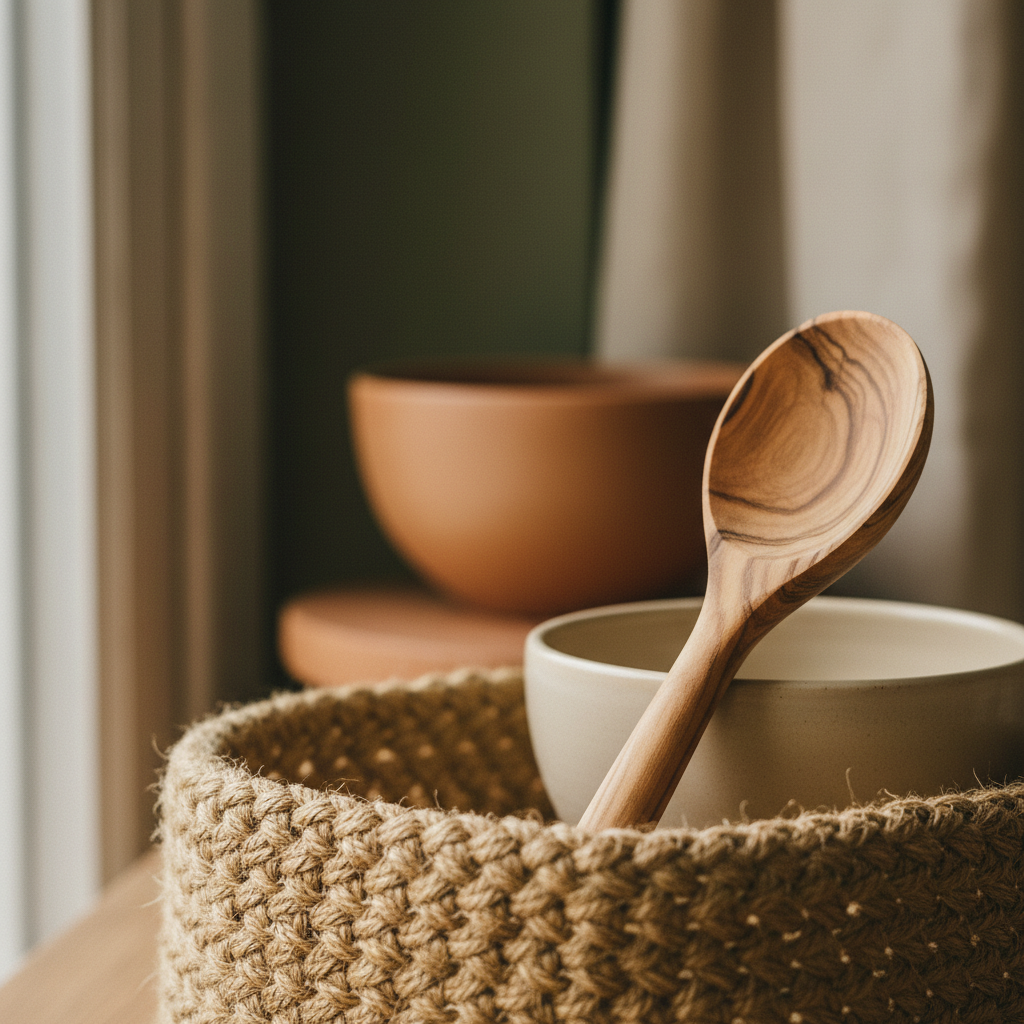
Identifying longevity begins with understanding the physical properties of the items we touch every day. To choose everyday essentials quality, one must look past the aesthetic and examine the underlying substrate. In kitchenware, for instance, the material choice dictates both performance and safety. Stainless steel, particularly 18/10 grade which contains 18% chromium and 10% nickel, offers superior corrosion resistance compared to thin-gauge aluminum. Cast iron remains a staple because its molecular density provides unparalleled heat retention and a surface that improves with use. Conversely, plastics and thin-walled metals are prone to thermal warping and structural fatigue, eventually requiring replacement.
Textiles follow a similar logic rooted in weight and fiber origin. When evaluating linens or towels, the metric of Grams per Square Meter (GSM) is a reliable indicator of density. A higher GSM typically signifies a tighter weave and more absorbent, durable fabric. Natural fibers like linen and organic cotton are preferred over synthetic blends; while synthetics may feel soft initially, they often pill and lose structural integrity after several wash cycles. Natural fibers possess longer staple lengths, which translate to smoother surfaces and higher tensile strength.
Category | High-Quality Indicators | Low-Quality Red Flags |
|---|---|---|
Kitchenware | 18/10 Stainless, Cast Iron, Heavy Gauge | Plastic handles, thin aluminum, non-stick coatings |
Textiles | High GSM, Organic Cotton, Linen | Polyester blends, loose threads, low GSM |
Construction | Reinforced stitching, seamless joints | Glued seams, visible gaps, lightweight feel |
Expertly crafted goods often manifest their quality through weight and finish. A heavy-bottomed pot or a dense cotton throw indicates that the manufacturer did not skimp on raw materials. Details like reinforced stitching in a curated selection of practical products or seamless joints in hardware are not merely decorative; they are the specific reinforcements where most product failures occur. By inspecting these technical markers, you can predict how an item will perform long before it leaves the shelf.
Decoding the Value Trap: Price vs Cost Per Use
The math of Buy It For Life items is simple but often overlooked in favor of immediate savings at the register. To choose everyday essentials quality, one must look past the sticker price and calculate the Cost Per Use (CPU). This metric reveals the hidden tax of cheap goods: the recurring cost of replacement and the frustration of inevitable failure.
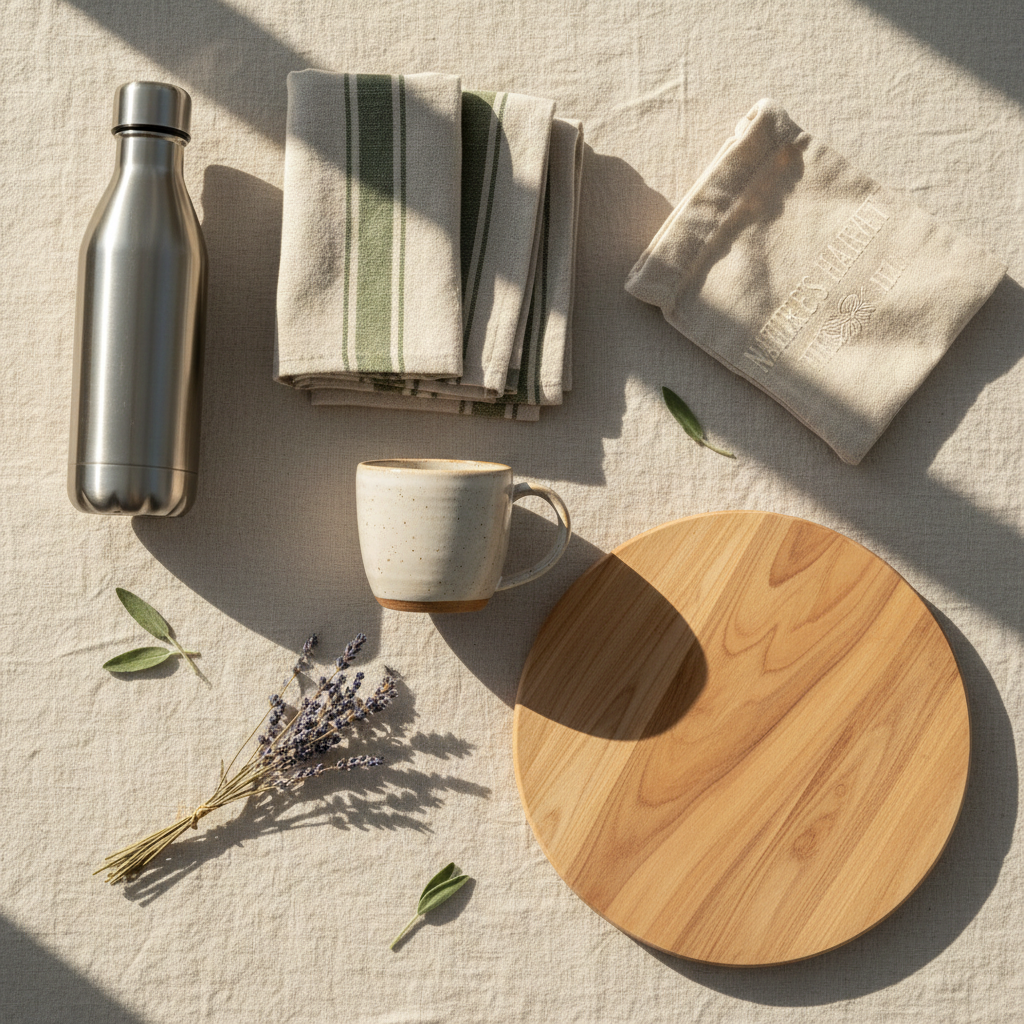
Consider the comparison between a budget plastic water bottle and a high grade stainless steel version. A low cost plastic bottle typically costs around $15, yet these items frequently develop seal leaks or structural cracks within a year of daily use. Over a five year period, a consumer might replace this bottle five times, resulting in a $75 total expenditure. Conversely, a $45 professional grade stainless bottle, engineered with reinforced gaskets and a lifetime warranty, is a one time purchase. In this scenario, the durable option saves the consumer $30 over five years while providing a superior functional experience.
Item Strategy | Initial Price | Replacements (5 Years) | Total 5-Year Cost |
|---|---|---|---|
Disposable Grade | $15 | 4 | $75 |
Lifetime Grade | $45 | 0 | $45 |
Total Savings | -- | -- | $30 |
Shoppers often ask what products truly last a lifetime and why they justify a higher entry price. The answer lies in items with minimal moving parts and high material integrity, such as heavy ceramic mugs, cast iron cookware, and solid steel tools. These items are worth the investment because they prioritize repairability; a quality tool can often be restored or its parts replaced, whereas cheap composites must be discarded. At our modern retail marketplace in Nephi, we curate our inventory to include these high utility goods. For more specifics on product longevity, our team addresses common shopping questions regarding specific warranties and material testing to ensure our curated selection of practical products meets these rigorous financial and functional standards.
Smart Curation: How We Select Essentials for Allivhu Shops
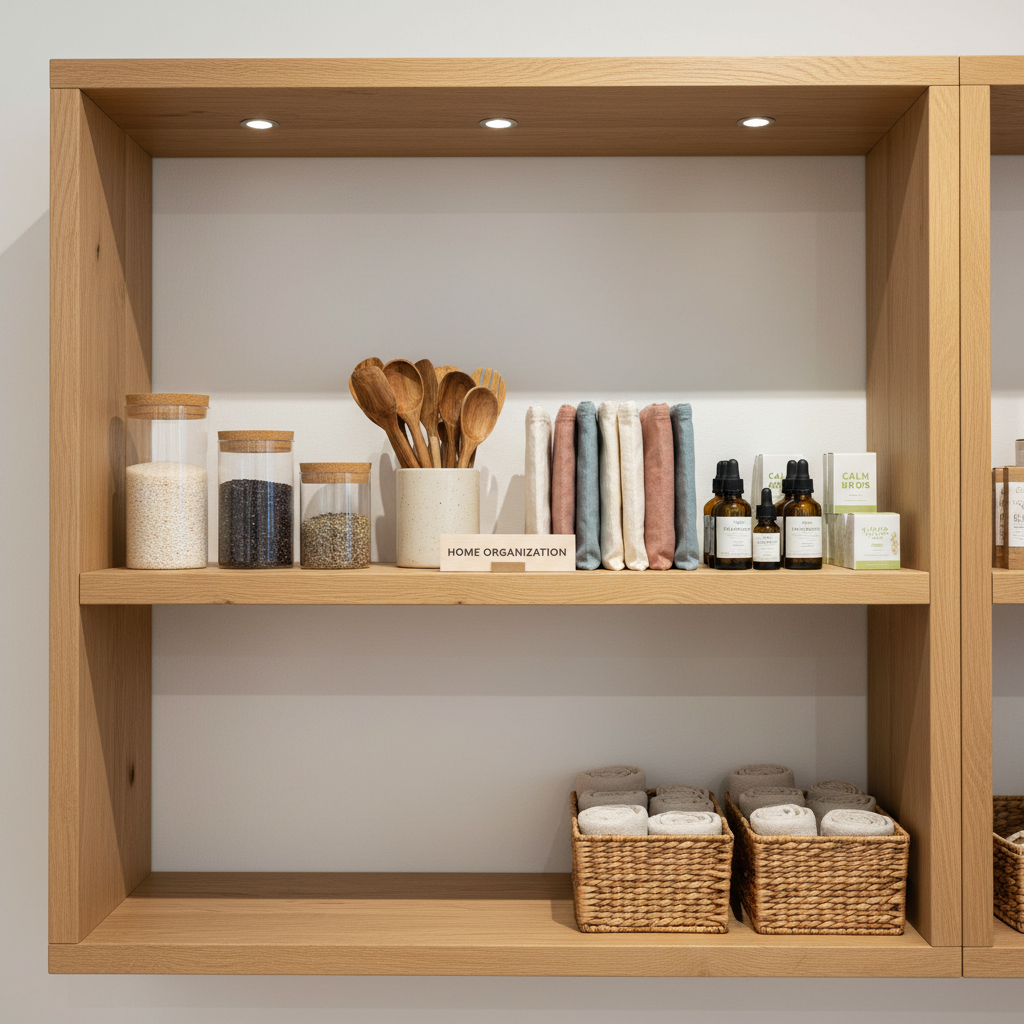
Identifying the highest cost per use value is only half the battle; the other half is navigating a saturated market to find the actual item that delivers. At Allivhu Shops, we bridge this gap by acting as a high performance filter for our customers. To choose everyday essentials quality, a consumer typically has to wade through hundreds of conflicting online reviews or spend hours on exhaustive research forums. Our process replaces that labor with data driven curation. We use modern technology and continuous customer feedback loops to evaluate product performance in real world Utah homes.
Rather than overwhelming shoppers with 100 different versions of a bath towel, we analyze material specifications and wear tests to select the specific option that balances price, durability, and functional design. This streamlined approach ensures that every item in our curated selection of practical products has already passed a rigorous vetting process. By focusing on a narrow, high quality inventory, our modern retail marketplace in Nephi reduces the cognitive load of shopping. We prioritize goods with simple designs and reliable manufacturing standards, ensuring that the heavy lifting of product testing is done before the item ever reaches our shelves. This methodology transforms the shopping experience from a gamble into a reliable procurement process, saving customers both the time of DIY research and the long term cost of poor quality replacements.
Essential Categories That Benefit Most from Quality Upgrades
Applying this curation mindset allows consumers to prioritize specific categories where a step up in material translates directly to longevity. To choose everyday essentials quality, focus on the high-touch items that undergo the most physical stress. While any object can be upgraded, three specific categories yield the highest return on investment through reduced breakage and improved daily performance.
Kitchen Tools (Steel and Wood): Professional-grade stainless steel and solid hardwoods are the gold standard for culinary utility. Forged steel provides better leverage and edge retention than thin, stamped metal; meanwhile, wood tools like acacia or maple protect cookware surfaces and naturally resist bacteria. Buying Tip: When shopping online, look for specific alloy designations like 304 or 18/10 stainless steel. At our modern retail marketplace in Nephi, physically test the tool's balance; a high-quality spatula or whisk should feel weighted toward the head without being unwieldy.
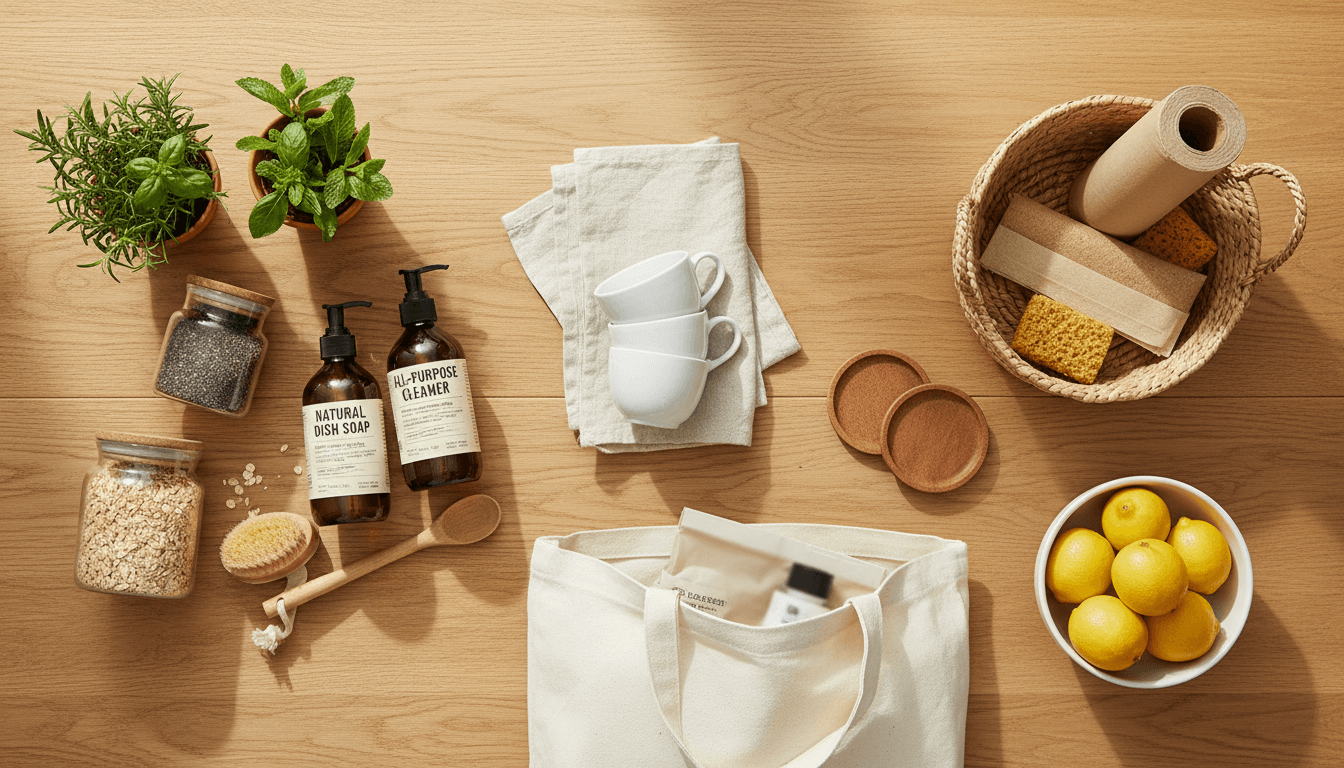
Home Organization (Glass and Natural Fibers): Transitioning from plastic bins to glass jars and woven baskets eliminates chemical leaching and the problem of brittle, yellowing plastic. Glass offers transparency and hygiene for food storage, while natural fibers like jute or seagrass provide structural breathability for linens. Buying Tip: Online descriptions should specify the glass type, such as borosilicate for thermal shock resistance. In-store, check for consistent thickness in the glass and uniform tightness in the fiber weave to ensure the container will not sag under weight.
Personal Care (Sustainable Materials): Items like metal safety razors and dense bamboo brushes replace high-waste, disposable plastic alternatives. These materials are engineered to resist the humid environment of a bathroom better than cheap polymers. Buying Tip: Online, prioritize products in our curated selection of practical products that feature replaceable components. In our retail space, check the tactile finish; high-quality sustainable wood or bamboo must be sanded perfectly smooth to prevent moisture absorption and splintering over time.
Longevity in the High Desert: Choosing Essentials for Nephi and Beyond

Nephi's high desert environment presents unique challenges for product durability. The combination of low humidity and intense UV exposure can cause inferior materials to fail prematurely; plastics frequently become brittle and shatter, while poorly finished wood often cracks or warps. To choose everyday essentials quality in this region, consumers must prioritize materials resilient to extreme dryness and thermal expansion.
For those engaged in local gardening or outdoor maintenance, tools with heavy duty steel components and moisture stable handles are essential. At our modern retail marketplace in Nephi, the inventory reflects these environmental demands. Unlike purely digital platforms, our physical space allows for tactile assessment. Customers can evaluate the density of a textile or the structural rigidity of a storage container before committing. Feeling the weight and finish of our curated selection of practical products provides a level of certainty that an online description cannot match, ensuring your essentials survive the high desert sun and dry mountain air.
Common Questions About Quality Essentials
Finding the right information is the final step to choose everyday essentials quality with confidence. Our team at the modern retail marketplace in Nephi frequently addresses these technical inquiries from customers looking to optimize their household investments.
What constitutes a "Buy It For Life" (BIFL) item? A BIFL item is a product manufactured using high integrity materials like forged steel, solid wood, or thick walled glass, designed to remain functional for decades. These items avoid planned obsolescence by using simple, robust mechanisms that resist wear from repetitive daily use. They are the antithesis of the replacement cycle.
Can high quality essentials be repaired? Most premium goods are designed with repairability in mind. Manufacturers of a curated selection of practical products often use mechanical fasteners instead of permanent adhesives, allowing parts to be replaced or serviced. This modularity extends the product lifespan far beyond that of a sealed, disposable alternative.
Why choose locally curated goods over mass market platforms? Local curation ensures products are vetted for regional conditions, such as Utah's low humidity. Buying through a local channel allows for tactile verification of material weight and finish, eliminating the guesswork of online reviews. For more detailed inquiries, we address common shopping questions regarding specific material certifications and manufacturer warranties.
Selecting high-quality everyday essentials is about more than just a brand name; it involves understanding the durability and integrity of the items you use most. By focusing on superior materials and craftsmanship, you ensure your inventory truly serves your customers over time. If you want expert help navigating the complexities of product sourcing and selection, we are here to support your vision. You can learn more about our approach to quality curation and how we help retailers thrive by choosing items that are built to last.