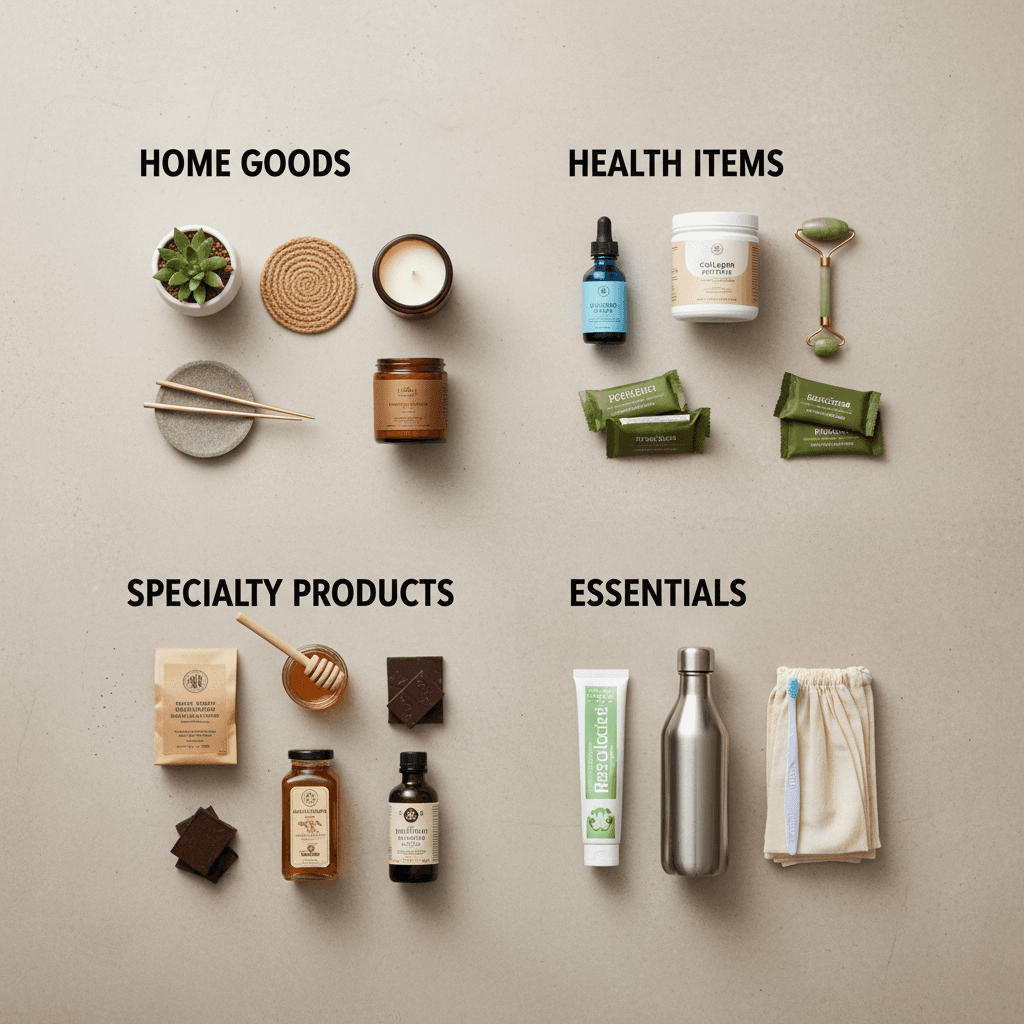
Deinfluencing is a social media movement where creators discourage consumers from buying overhyped or unnecessary products to combat overconsumption and promote financial mindfulness. By providing honest critiques and highlighting "low-buy" lifestyle choices, this trend empowers shoppers to make more intentional purchases while prioritizing utility over fleeting digital trends.
Most shoppers today feel a growing sense of fatigue from the relentless pressure to buy the next viral item. You likely have a closet or drawer filled with products that seemed essential online but failed to deliver real value in your daily life. This exhaustion has fueled the rise of deinfluencing; it is a movement that prioritizes critical thinking over impulsive clicking. In 2026, the buy less movement has evolved into a sophisticated framework for intentional living. This article explores how to navigate this selective market by embracing a low buy challenge and spotting authentic recommendations. You will learn to move beyond the TikTok trends and master the art of curation. By focusing on quality over quantity, you can reclaim your space and your budget. We will guide you through the practical steps to ensure every future purchase serves a genuine purpose.
The Meaning of Deinfluencing in 2026: Beyond the TikTok Trend
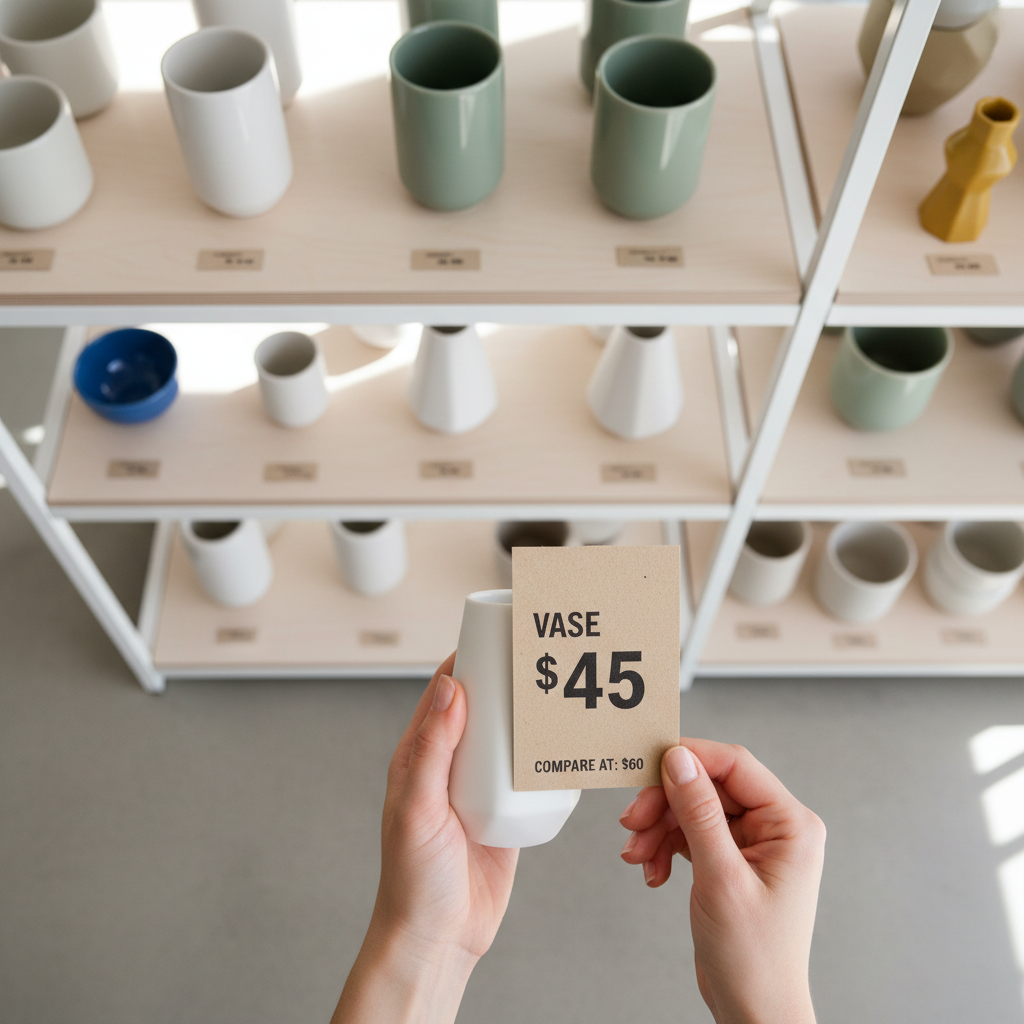
In 2026, the concept of deinfluencing has matured from a viral TikTok hashtag into a fundamental shift in consumer psychology. While it originated as a reaction to social media scandals where audiences felt misled by filtered results and paid hyperbole, the movement now represents a sophisticated buy less, buy better philosophy. This transition marks the end of the era where sheer volume was a proxy for value. According to the State of Social 2026 report, mentions of deinfluencing have increased by 79 percent over the last year, signaling that Gen Z and Millennials are no longer looking for persuasion; they are seeking credibility.
This movement is not about a total rejection of commerce but a refined approach to utility. Shoppers are increasingly favoring a curated selection of practical products over the clutter of impulsive trends. To understand this shift, it is essential to distinguish between two primary strategies within the movement:
Strategy | Objective | Typical Action |
|---|---|---|
No Buy | Resetting consumption habits | Cutting all non-essential spending for a set period. |
Low Buy | Practicing intentionality | Purchasing only quality everyday essentials or replacements for used-up items. |
Modern consumers use these frameworks to build more intentional shopping habits that prioritize long term functional value. In 2022, nearly 30 percent of TikTok users admitted to making purchases based solely on influencer endorsements. Today, that influence has been replaced by data driven curation and personal inventory management. Deinfluencing serves as a tool for discernment, allowing shoppers to filter out the noise of overhyped products in favor of items that provide genuine, reliable service in their daily lives. By focusing on smart product selection, consumers are reclaiming their autonomy from the constant pressure of the swipe up cycle.
Why the Buy Less Movement Is Growing: Trust, Value, and Sustainability
Understanding why is de-influencing growing in 2026 requires looking closely at three distinct pillars that have transformed modern retail: the erosion of consumer trust, the economic necessity of functional value, and the environmental impact of overconsumption.
The traditional influencer marketing model has suffered a systemic loss of credibility. When audiences realize that recommendations are driven by sponsorships rather than performance, persuasion loses its efficacy. Consumers now demand transparent credibility over marketing hype, actively rejecting the traditional pressure to buy into every passing trend.
Simultaneously, economic shifts have made functional value a top priority. Budget-conscious shoppers can no longer justify spending on impulse items that offer little long-term utility. Instead, cultivating intentional shopping habits has become a practical strategy for financial resilience, ensuring every dollar spent goes toward reliable assets.
This economic caution aligns with a growing awareness of the environmental toll caused by overconsumption. The realization that excessive purchasing leads directly to community waste has prompted a collective desire to own fewer, better things.
The ultimate antidote to this influencer trap is smart product selection. Rather than navigating an endless stream of paid promotions, choosing a curated selection of practical products allows buyers to focus entirely on quality and real-world utility. This shift ensures that retail choices are driven by data, longevity, and actual need rather than manufactured desire.
How to Start a Low Buy 2026 Challenge: Practical Steps for Intentional Shopping
Adopting a low buy lifestyle in 2026 requires more than willpower; it necessitates a structured framework to combat the constant friction of modern retail environments. To begin, establish a bifurcated list to define your spending boundaries. A 'No Buy' list should include categories that are strictly off-limits for the duration of your challenge, such as aesthetic home decor, redundant electronics, or seasonal fashion trends. Conversely, a 'Low Buy' list focuses on quality everyday essentials. These are items authorized for purchase only as direct replacements for depleted stock or broken tools.
Engagement with digital communities, such as the growing Deinfluencing Reddit forums, provides the external accountability necessary to maintain these boundaries. These platforms have become vital for peer-reviewed consumerism, offering 'Talk Me Out' (TMO) threads where members help each other scrutinize potential purchases. Sharing progress within these groups helps solidify intentional shopping habits by normalizing the refusal of unnecessary consumption and highlighting the long term benefits of a minimalist inventory.
Before any transaction occurs, perform a systematic inventory audit. By treating your household stock with the same rigor as a data-driven retail fulfillment center, you ensure that only a curated selection of practical products enters your home. Use the following template to evaluate potential purchases:
Audit Metric | Assessment Question | Strategic Purpose |
|---|---|---|
Existing Stock | How many similar items are currently in the home? | Prevents redundant acquisition. |
Replacement Need | Is the current item functionally obsolete or fully consumed? | Validates the purchase timing. |
Usage Frequency | Will this product be used at least three times per week? | Ensures functional utility. |
Storage Plan | Where is the designated, permanent space for this item? | Prevents physical clutter. |
This methodical approach shifts the focus from the act of buying to the utility of owning. By auditing your needs before clicking 'add to cart,' you maintain control over your environment and your budget, ensuring every item serves a specific, reliable purpose in your daily life.
Decoding the Deinfluencing Trap: How to Spot Authentic Recommendations
While the deinfluencing movement promotes a buy less mentality, savvy consumers must recognize that the trend itself can be weaponized as a form of reverse marketing. This occurs when an individual disparages one popular item only to pivot immediately toward an alternative purchase. This technique often masks a standard sales funnel under the guise of authenticity. To navigate this, shoppers should scrutinize the motivation behind a recommendation. Authentic advice focuses on functional failure or lack of utility, whereas reverse marketing focuses on shifting brand loyalty.
Identifying data-driven curation versus paid promotion requires looking for specific performance metrics. A curated selection of practical products is typically built on logistics, return rates, and long term durability rather than a single viral moment. When evaluating a recommendation, use this comparison to spot the difference:
Feature | Data-Driven Curation | Paid Deinfluencing/Promotion |
|---|---|---|
Primary Metric | Utility and failure rates | Engagement and affiliate clicks |
Transparency | Clear fulfillment and return data | Obfuscated brand partnerships |
Product Lifecycle | Multi-year functional value | Short term aesthetic appeal |
True quality everyday essentials do not require a miracle narrative to justify their cost. Look for retailers that prioritize transparent retail practices and provide clear specifications rather than curated aesthetics. By focusing on objective performance data rather than emotional persuasion, you can avoid the trap of replacing one impulse buy with another, ensuring your purchases are grounded in long term functional value.
The Role of Curation: Why Allivhu Shops Supports the Deinfluencing Ethos
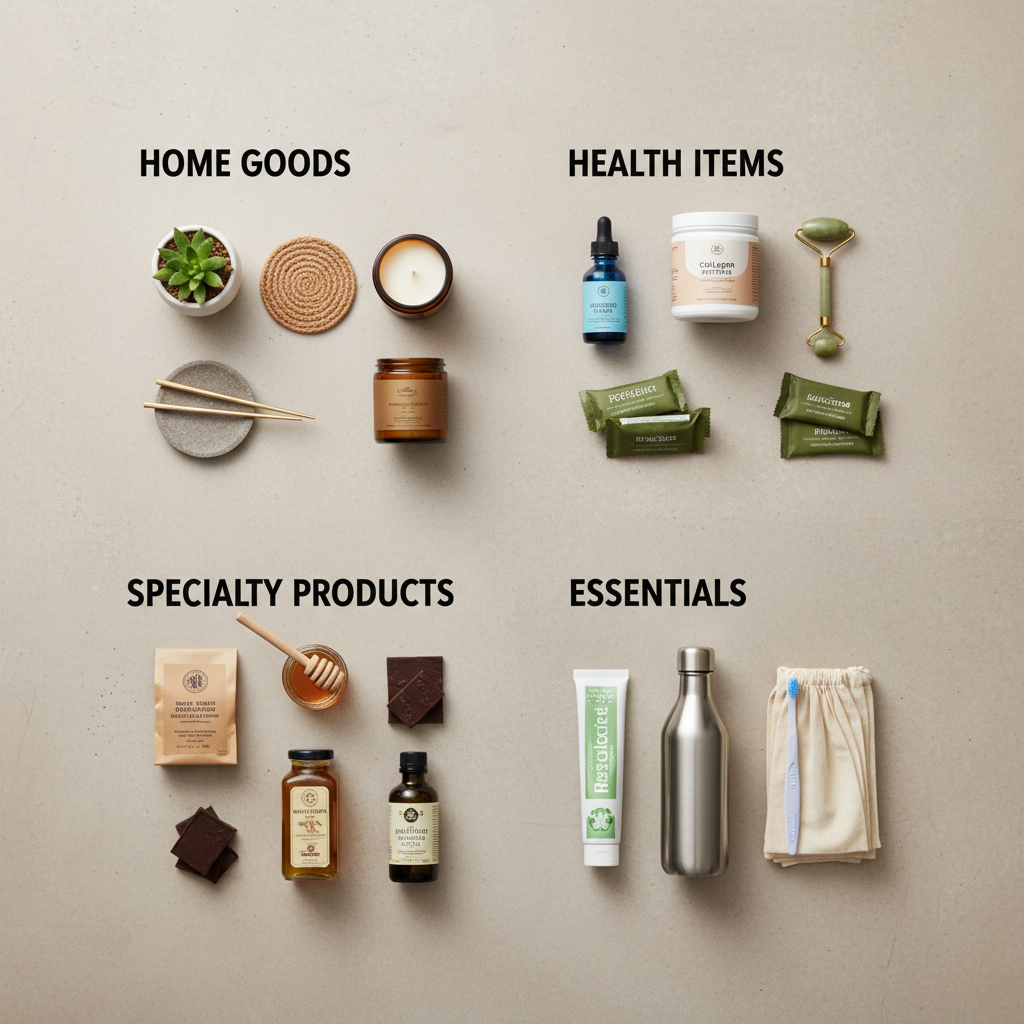
The shift toward deinfluencing aligns directly with the operational philosophy at Allivhu Shops. A modern retail marketplace should not function as a bottomless catalog of trending items; instead, it serves as a sophisticated filter that prioritizes utility over sheer volume. By focusing on the right things rather than everything, we provide a framework for consumers to exit the cycle of constant replacement and impulsive acquisition.
At our Nephi, Utah location, we utilize technology and data driven curation to evaluate every item before it reaches our inventory. This process involves analyzing fulfillment metrics, return frequencies, and long term performance data. We specifically stock a curated selection of practical products that are vetted for their ability to perform under consistent, real world use. This rigorous selection process removes the burden of discernment from the shopper, ensuring that what they purchase is built to last rather than designed to be replaced by next month's viral trend.
Curation Factor | Allivhu Shops Methodology | Consumer Benefit |
|---|---|---|
Inventory Selection | Data driven performance vetting | Access to quality everyday essentials |
Logistics | Efficient fulfillment from Nephi, Utah | Reliable delivery and consistent availability |
Utility Focus | Prioritizing functional value | Encouraging intentional shopping habits |
Choosing a retailer that supports the deinfluencing ethos actually facilitates a lower total consumption rate. When a product is selected for its reliability and functional lifespan, the need for redundant re-purchasing disappears. By providing items that serve a specific, essential purpose, we help our customers invest in durability rather than temporary aesthetic satisfaction.
Smart Shopping Habits: Quality Over Quantity in a Selective Market
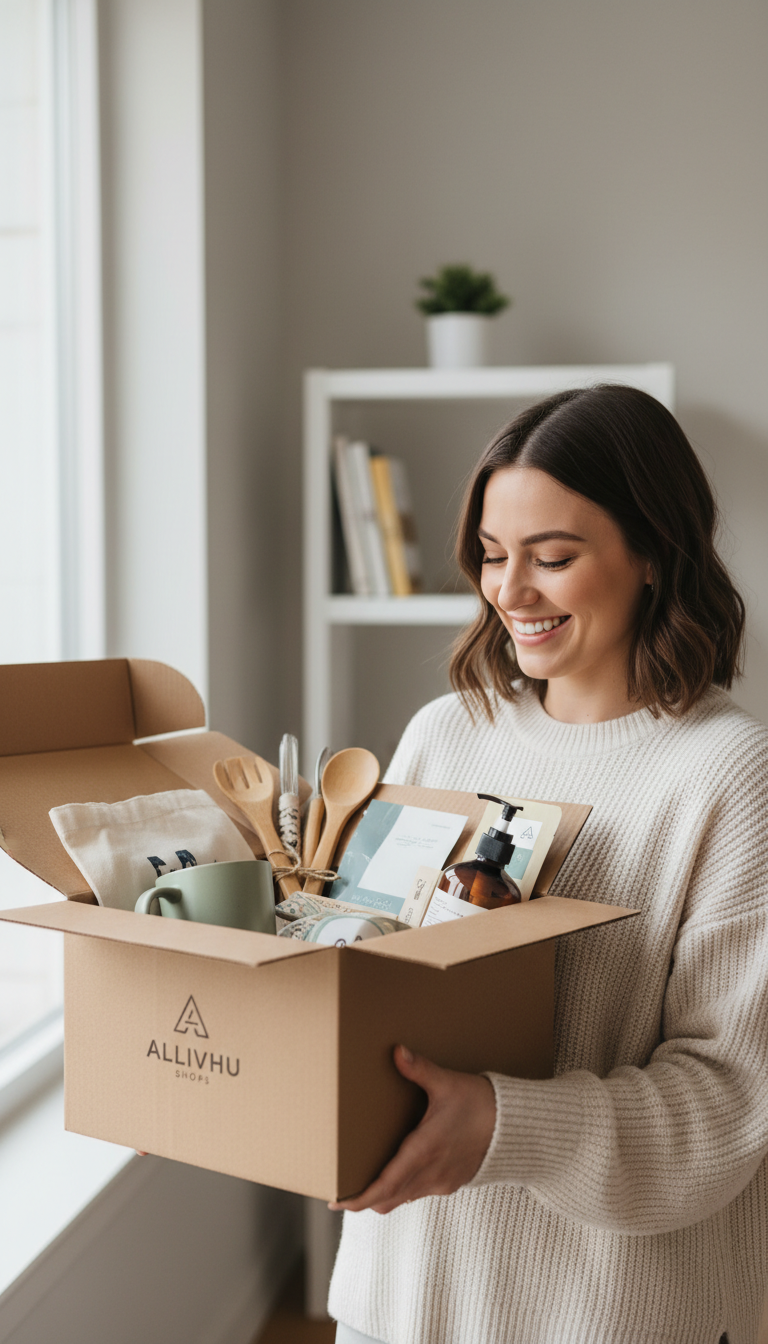
Refining your purchasing behavior is the final step in moving from reactive consumption to proactive utility. This selective mindset does not require total deprivation; instead, it demands that every transaction justifies its presence in your life. By treating your home like a high efficiency fulfillment center, you focus on the inflow of high performance items rather than the quantity of acquisitions.
To maintain this discipline in a market saturated with options, apply a rigorous vetting process to every item. Use this checklist to verify the functional value of a potential purchase:
Evaluation Metric | Specific Question to Ask |
|---|---|
Daily Utility | Is this a quality everyday essential that solves a frequent problem? |
Longevity | Will this product remain functional and relevant in three years? |
Retail Integrity | Does the seller provide efficient fulfillment and data backed quality assurance? |
Replacement Value | Does this item replace an inferior version to improve overall reliability? |
The trend of deinfluencing has taught us that the most expensive product is the one that fails to provide long term service. Investing in a curated selection of practical products ensures that your budget is allocated toward items with high utility density. When you prioritize reliability and professional fulfillment from trusted sources, you stop paying for the marketing hype of the moment and start paying for the performance of the future. Cultivating these intentional shopping habits allows you to bypass the noise of the hype cycle and focus on what truly matters: value, quality, and consistent utility.