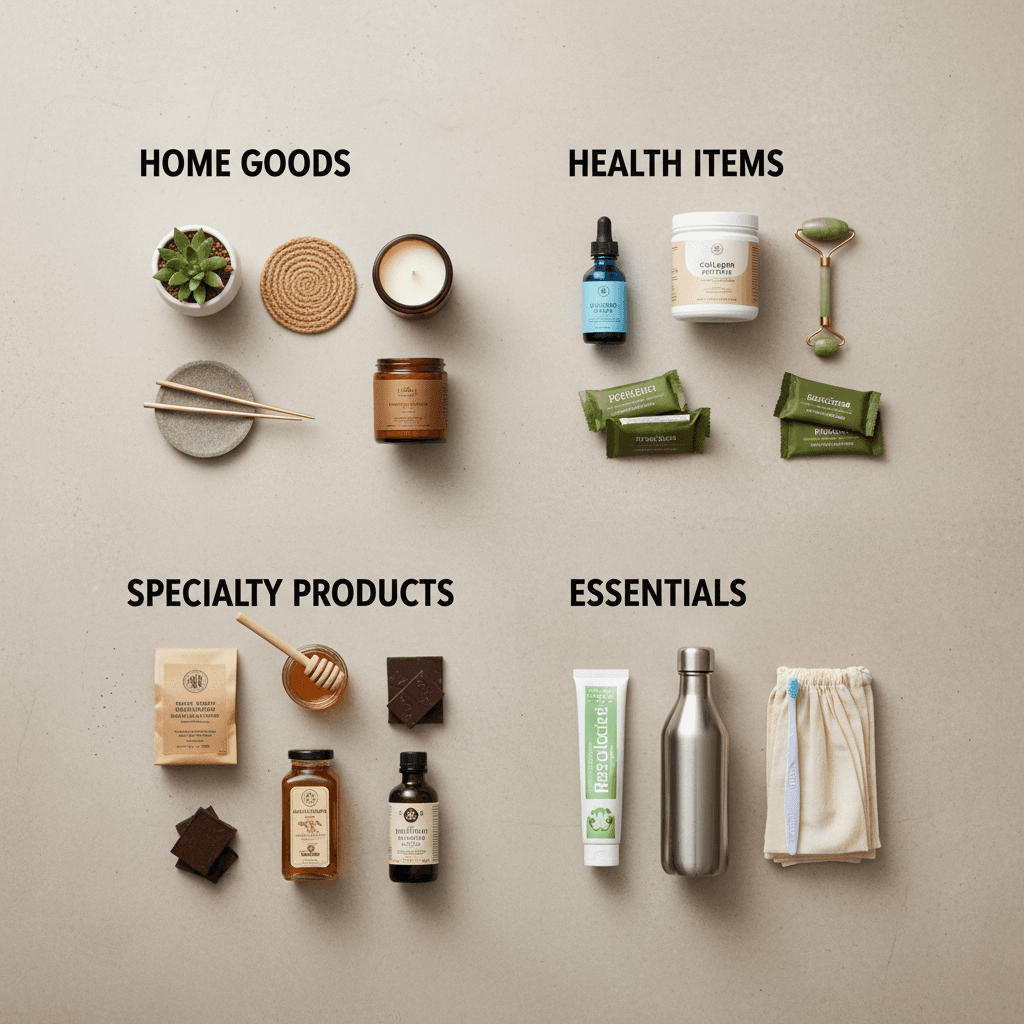
The primary buy now pay later risks 2026 include impulse overspending and the potential for accumulating high late fees that damage financial stability. Unlike traditional credit, these services often lack consumer protections and may not help build a credit score; therefore, intentional shopping is critical to avoid the trap of hidden debt.
The seamless allure of a one-click checkout has transformed from a modern convenience into a significant financial hazard by 2026. You likely feel the mounting pressure of various micro-payments, where even the most disciplined shoppers find their monthly cash flow fractured by the invisible weight of deferred costs. This shift matters because the convenience of paying in four often bypasses your critical decision-making process, leading to a home filled with items rather than a life defined by quality. In this guide, we will analyze the evolving risks of buy now pay later services, from their expansion into essential expenses like groceries to the subtle psychological traps of the zero-interest promise. You will discover practical strategies to reintroduce intentional friction into your purchasing habits, ensuring your luxury and lifestyle choices remain assets rather than liabilities.
The Rise of Pay in Four: A 2026 Financial Reality
In 2026, the checkout experience has fundamentally shifted. The ubiquity of "Pay in Four" options means that deferred payment is now a standard fixture of American commerce. Recent Federal Reserve data underscores this reality, showing that $160 billion in credit was originated through these platforms last year alone. What began as a tool for financing luxury goods has trickled down into every facet of the consumer experience. It is now common to see financing options applied to transactions as small as $12, covering everything from minor household repairs to daily groceries.
This high-speed credit landscape presents significant buy now pay later risks 2026 for the average household budget. The ease of clicking a button to split a payment can obscure the total cost of ownership and bypass the natural hesitation that comes with spending. At Allivhu Shops, we believe in a different approach. By offering a curated selection of practical products, we encourage shoppers to prioritize utility and quality over sheer volume. We use modern technology and data-driven curation to ensure that every item we stock serves a clear purpose, helping our community in Nephi maintain financial intentionality. As credit becomes increasingly invisible, choosing reliable goods that last is the most effective way to resist the cycle of perpetual small debt cycles.
Understanding Buy Now Pay Later Risks 2026: Beyond the 0% Interest
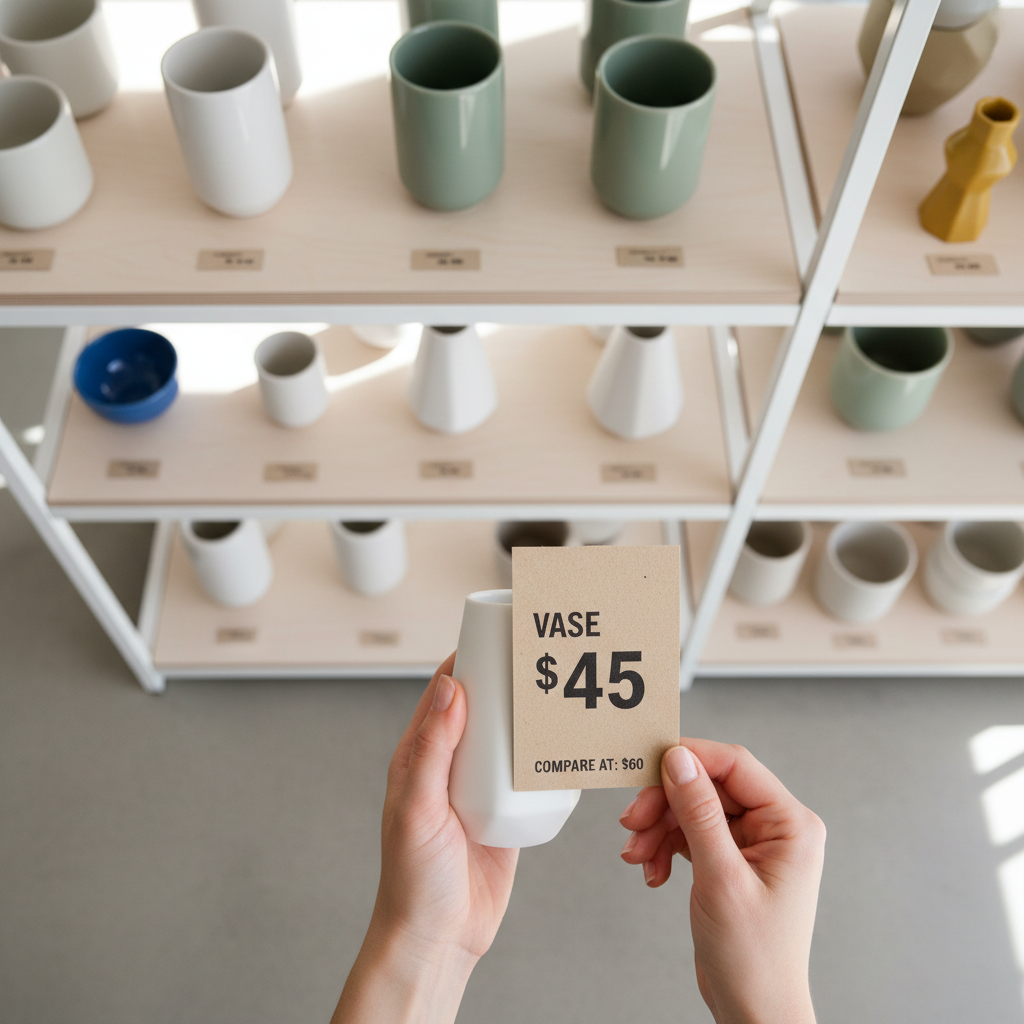
The convenience of these tools often masks a structure designed to minimize the psychological friction of spending. Traditional commerce requires a conscious decision to part with funds, but BNPL platforms use seamless tech integration to make the transaction feel weightless. This absence of immediate financial impact is the first of many buy now pay later risks 2026 that consumers must navigate.
One of the most significant concerns is the invisible debt problem. Unlike a standard credit card or personal loan, these installment plans generally do not report on-time payments to major credit bureaus. You are essentially borrowing without the benefit of building a credit history. Conversely, if a payment is missed, the debt is frequently reported to collections agencies, causing immediate damage to your credit score. This creates a one sided risk profile where the consumer has everything to lose and very little to gain in terms of long term financial health.
Beyond credit scores, these loans lack the robust consumer protections found in traditional credit cards. If a product arrives damaged or never arrives at all, the process for a chargeback or dispute is often opaque and difficult to navigate compared to the protections offered by major banks. When you use these services for a curated selection of practical products, you may find that the retailer's return policy and the lender's payment schedule are not in sync, leaving you responsible for payments on items you no longer possess.
Risk Factor | BNPL Impact | Traditional Credit Impact |
|---|---|---|
Credit Building | Rarely reports positive activity | Regularly builds credit history |
Late Fees | Fixed or compounding per installment | Interest based with clear caps |
Dispute Rights | Limited and platform specific | Standardized federal protections |
Furthermore, the compounding nature of late fees can quickly turn a small purchase into a significant burden. For a $12 item, a single $10 late fee represents an 83% increase in cost. By leveraging modern technology and data-driven curation, we focus on providing high utility goods that justify their upfront cost, helping our Nephi customers avoid the trap of fragmented, high risk micro debts.
The Illusion of Affordability: Why BNPL Leads to Overspending

The financial risks discussed previously often lead directly to the common question: Is Buy Now Pay Later a trap? While these services are regulated financial tools, they function as a psychological snare by creating a powerful illusion of affordability. Research suggests that when a $100 purchase is broken into four $25 installments, the human brain often perceives the item as being 75% cheaper than its actual cost. This cognitive bias encourages shoppers to add non-essential items to their carts, assuming the impact on their balance is minimal.
This mental accounting creates a "phantom budget" effect. Because the initial payment is low, consumers feel a false sense of financial flexibility, leading them to commit to multiple concurrent payment plans across different platforms. The American Psychological Association has highlighted how this dynamic affects psychological and financial well-being, as the absence of immediate friction can result in significant overspending. This behavior is one of the more subtle buy now pay later risks 2026, as it slowly erodes a shopper's ability to distinguish between a want and a need.
Psychological Effect | Consumer Perception | Financial Reality |
|---|---|---|
Installment Framing | Item feels 75% cheaper | Full cost is legally owed |
Frictionless Checkout | Lower "pain of paying" | Easier to exceed monthly budget |
Phantom Budget | Higher available cash | Future income is already spent |
At Allivhu Shops, we believe the antidote to this cycle is intentionality. By offering a curated selection of practical products, we help our Nephi customers focus on items that provide genuine utility. We use modern technology and data-driven curation to ensure our inventory reflects high quality essentials, rather than the impulsive, tech suggested add-ons that typically fuel BNPL debt.
Hidden Traps in 2026: Rent, Groceries, and Essential Debt
The illusion of affordability becomes particularly dangerous when it moves from elective purchases to survival necessities. In 2026, a troubling trend has emerged where consumers utilize installment plans for recurring expenses like groceries and even monthly rent. Reports from outlets like the New York Times and KTVU indicate that as the cost of living fluctuates, more households are turning to short term credit to bridge the gap between paychecks. This shift represents one of the most critical buy now pay later risks 2026, as it fundamentally changes the nature of household debt from growth oriented to survival oriented.
Using BNPL for non-durable goods creates a debt treadmill. When you finance a week of groceries over four payments, you are often still paying for those items long after they have been consumed. By the time the final installment is due, new essential costs have already arrived; this leads to a compounding cycle of micro-loans that can quickly outpace monthly income. This is not just a financial hurdle; it is a systemic risk to a household's stability.
Expense Type | Impact of BNPL Financing | Risk Level |
|---|---|---|
One-Time Quality Item | Debt ends once item is paid off; long term utility remains. | Moderate |
Recurring Essentials (Food/Utilities) | Debt stacks with each new billing cycle; consumption outpaces payment. | High |
Housing (Rent/Mortgage) | Risks shelter if installments fail; creates high-stakes, invisible debt. | Extreme |
At Allivhu Shops, our philosophy centers on breaking this cycle through a focus on "Quality Essentials." Rather than using credit to manage a high volume of low quality or temporary goods, we advocate for investing in a curated selection of practical products that offer long term reliability. We utilize modern technology and data-driven curation to identify items that provide the highest functional value. By choosing one dependable, quality item that serves a clear purpose, our customers in Nephi can avoid the fragmented debt traps that come with financing temporary needs. Prioritizing durable utility is the most effective way to protect a monthly budget from the slow erosion caused by recurring credit obligations.
How to Reintroduce Intentional Friction into Your Shopping
Escaping the debt treadmill requires a deliberate return to slow shopping. Because BNPL platforms are engineered to remove the psychological pain of paying, you must manually reinsert friction into your decision-making process. The most effective method is the 24-hour rule for any non-essential purchase. By stepping away from the digital cart for one full day, you allow the initial dopamine spike to subside; this helps mitigate the primary buy now pay later risks 2026 associated with impulse spending and the phantom budget effect.
Before opting for a four-payment split, evaluate the protections you might be forfeiting. Use the following checklist to ensure your transaction remains secure:
Strategy | Implementation | Financial Benefit |
|---|---|---|
The 24-Hour Rule | Wait one full day before finalizing non-essential carts. | Eliminates the majority of impulse-driven micro-debt. |
Protection Check | Verify if your credit card offers purchase security or extended warranties. | Provides legal recourse that BNPL platforms often lack. |
Curation Focus | Ignore automated add-ons and tech-suggested impulse items. | Reduces cognitive load and prevents overspending. |
At Allivhu Shops, we utilize modern technology and data-driven curation to combat the noise of modern e-commerce. Instead of using algorithms to suggest endless add-ons that inflate your total, we focus on a curated selection of practical products that stand on their own merit. By prioritizing functional, high-quality goods, you naturally reduce the total volume of transactions. This approach makes it easier to track your spending without relying on fragmented installment plans, ensuring that every dollar spent in Nephi is an investment in long term utility rather than a short term credit obligation.
Is Buy Now Pay Later Worth It in 2026? A Better Alternative
Deciding if a deferred payment plan is worth the risk requires a clinical look at your purchase intent. A BNPL arrangement is generally only advisable for significant, planned investments in your home or business where a 0% interest offer allows you to preserve cash flow without exceeding your total budget. If the purchase is a pre-calculated necessity and the payments fit comfortably within your existing income, the tool serves its purpose as a neutral financial instrument.
Conversely, you should avoid these services for any impulse purchase or recurring expense. When credit is used to justify a $20 add-on or a week of groceries, the buy now pay later risks 2026 outweigh any perceived convenience. The administrative burden of tracking multiple payment schedules across different apps often leads to missed deadlines and hidden fees that erode your financial margin.
Decision Factor | Use BNPL | Avoid BNPL |
|---|---|---|
Purchase Type | Large, planned, durable goods | Impulse buys, groceries, or rent |
Budget Impact | Fully covered by existing savings | Relies on future, unearned income |
Interest Rate | Guaranteed 0% APR | Any interest or hidden service fees |
Frequency | Rare, one-off transactions | Multiple concurrent payment plans |
The most sustainable alternative is "Smart Curation." This involves shifting your focus from the quantity of transactions to the caliber of the items themselves. Instead of using credit to acquire several low-cost, disposable products, we encourage spending that time researching a single, high-performing solution. At Allivhu Shops, we support this through our curated selection of practical products.
In Nephi, reliability is a core value. We prioritize goods that perform consistently over time rather than those that offer immediate, fleeting gratification. By leveraging modern technology and data-driven curation, we filter out the noise, providing a shopping experience that rewards discernment. Choosing one durable item over four mediocre ones financed by credit is not just a financial decision; it is a commitment to the quality and stability our community stands for.
Navigating the evolving world of Buy Now Pay Later services requires a balance of caution and careful planning. While these modern tools offer significant convenience, staying intentional about your spending is the only way to avoid hidden costs. If you find yourself wanting expert help to refine your shopping strategy or manage your financial health, our dedicated team is here to support you. You can learn more about our approach and how we help shoppers succeed. Let us help you make smarter choices.