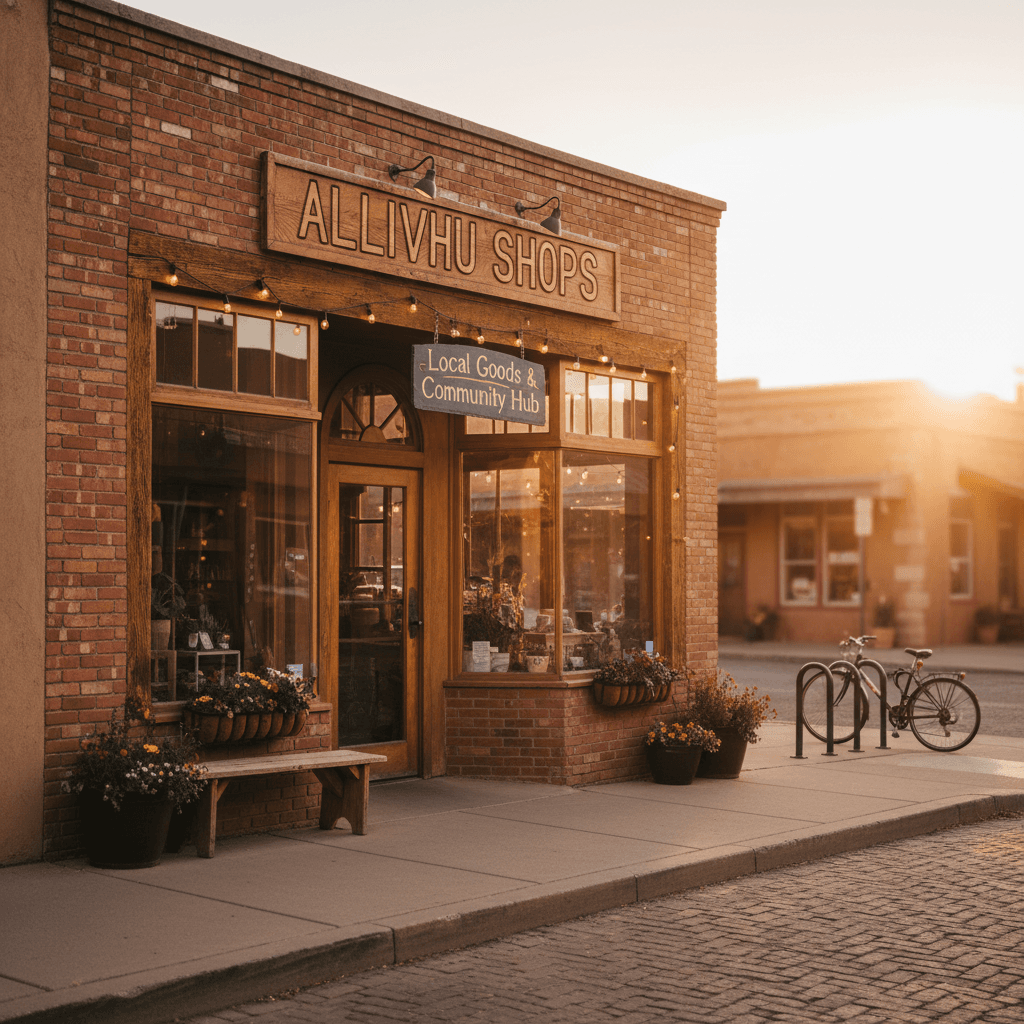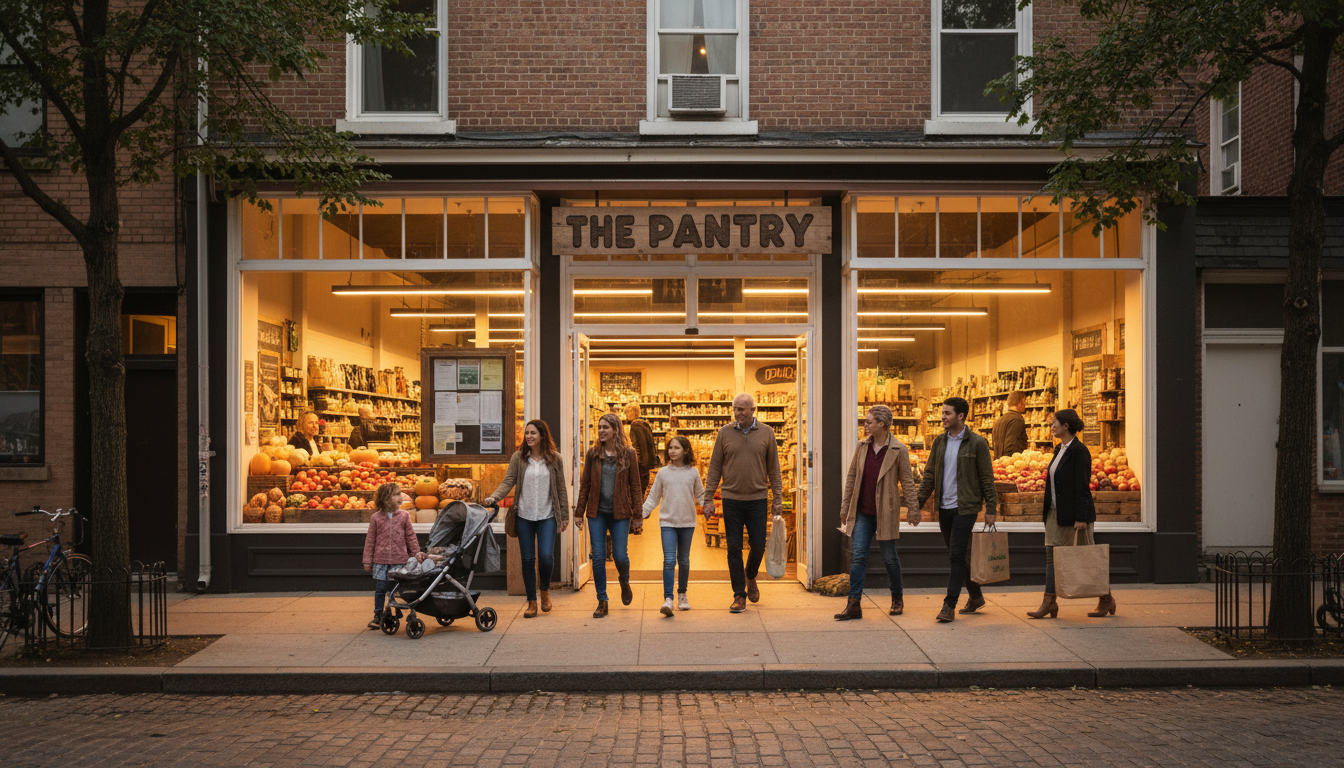
Shopping at homegrown businesses creates a significant shop local economic impact by keeping a larger portion of revenue within the community through the local multiplier effect. This cycle supports higher regional wages and funds essential public services; additionally, it reduces environmental footprints while fostering authentic human connections that national chains often lack.
As a resident of Juab County, you likely see your hard earned dollars vanish into the coffers of distant corporations every time you choose a big box chain over a local merchant. This drain on our community resources creates a stagnant environment where growth feels impossible and the unique character of Nephi begins to fade. Understanding the economic weight of your spending is not just about sentimentality; it is about strategic reinvestment. In this analysis, we explore the specific mechanics of the Nephi Multiplier and how localized spending cycles through our streets. You will discover the 2026 value comparison between independent retailers and national chains, the surprising social impact of high tech local retail, and how these choices build a sustainable economic foundation for our collective future.
Defining the Local Multiplier Effect in Small Town Retail

Understanding the shop local economic impact begins with a concept known as the local multiplier effect. In retail, this describes the way a single dollar recirculates within a community before it eventually leaves. When you purchase everyday essentials at a locally owned business, that money continues to work for Nephi. It pays the wages of local employees, who then spend their earnings at nearby grocery stores and gas stations. It supports local professional services and municipal infrastructure through taxes.
Economic studies consistently show a stark contrast between independent retailers and national big box chains. For every $100 spent at a local independent shop, approximately $68 remains within the community. In contrast, when that same $100 is spent at a national chain, only about $43 stays local. This difference of $25 per transaction represents a significant loss of potential growth for Juab County.
At Allivhu Shops, we bridge the gap between small-town values and modern efficiency. While we leverage data-driven curation and advanced fulfillment technology to ensure we offer a curated selection of practical products, our operations are anchored here. Unlike global marketplaces that extract wealth from rural areas, our profits and business decisions are rooted in Nephi. You can learn more about our mission in Nephi and how we prioritize functional value. By combining sophisticated inventory management with a commitment to the local economy, we ensure that every transaction contributes to a more resilient and self-sustaining community.
How Local Spending Cycles Through the Nephi Community
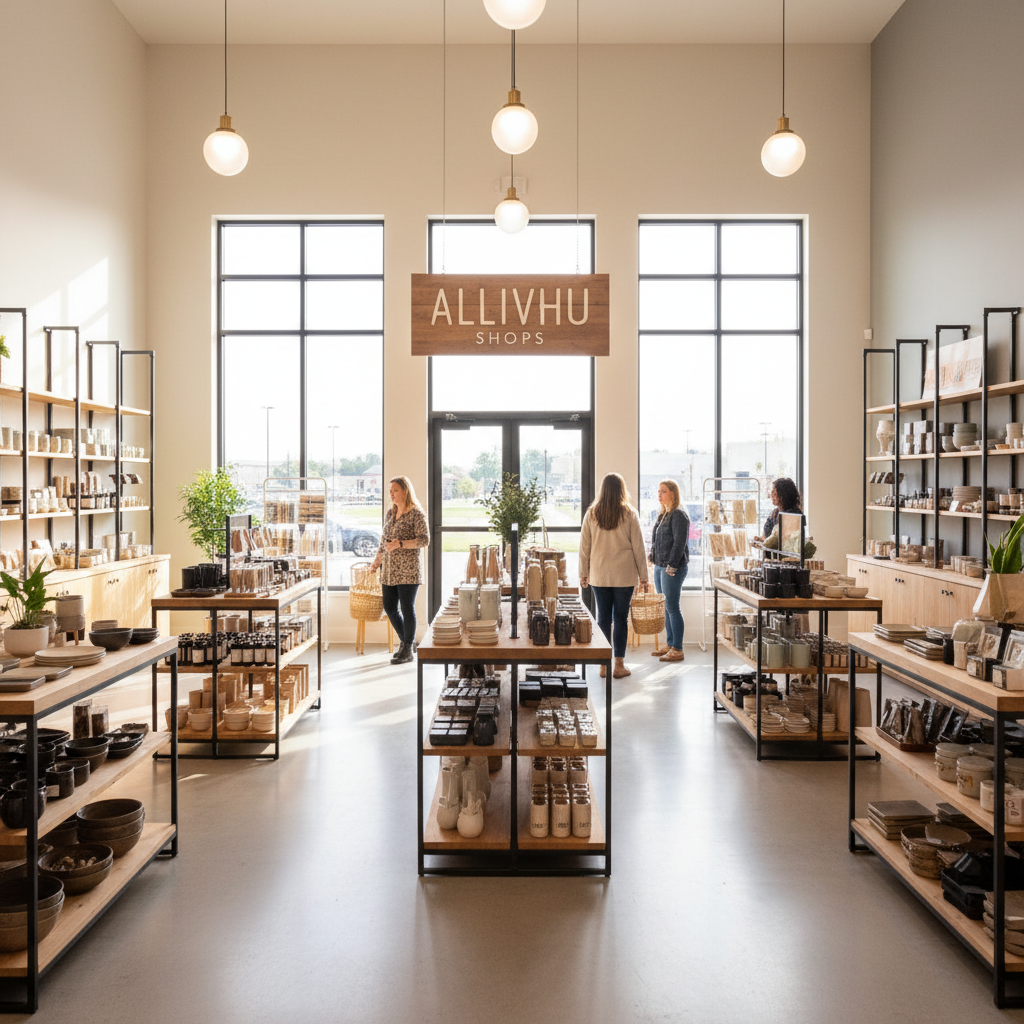
The movement of capital through Nephi is not an abstract concept; it is a series of tangible reinvestments that sustain the city. When you purchase everyday essentials at Allivhu Shops, the revenue does not immediately exit the state. Instead, a significant portion is captured through local sales taxes that remain within Juab County. These funds directly support the Juab School District, maintain the integrity of our local road infrastructure, and ensure that emergency services have the resources necessary to protect our neighborhoods.
Beyond tax revenue, independent retailers act as anchors for other small businesses. Our operations require professional services, and we prioritize local partnerships over remote corporate contracts. This means the money spent at our shop helps pay for Nephi based accountants, local contractors for facility maintenance, and regional marketing professionals. By keeping these business to business transactions within the county, the shop local economic impact expands, as each of those service providers then spends their earnings at other local establishments.
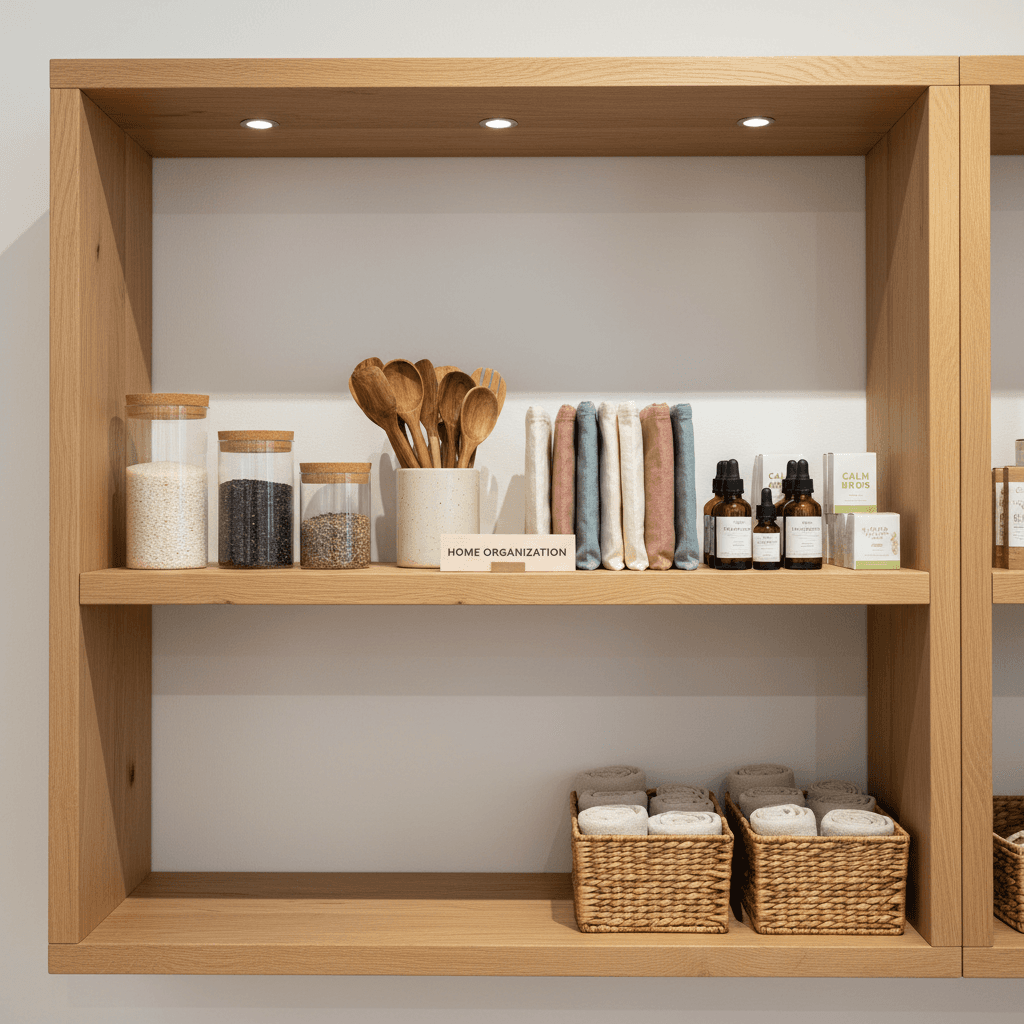
To visualize this cycle, consider a resident purchasing a high quality kitchen tool or a set of home organization supplies from our curated selection of practical products. The profit from that single transaction helps cover the wages of a neighbor working in our fulfillment center. That employee then spends their paycheck at a local grocery store or gas station. Simultaneously, Allivhu Shops uses a portion of its annual revenue to sponsor a local youth sports team or contribute to a community event. This creates a closed loop where wealth is generated, circulated, and reinvested multiple times. This process builds a buffer against broader economic shifts, ensuring that Nephi remains a self reliant hub of activity rather than just a pass through for global retail giants.
Independent Retailers vs Big Box Chains: A 2026 Value Comparison
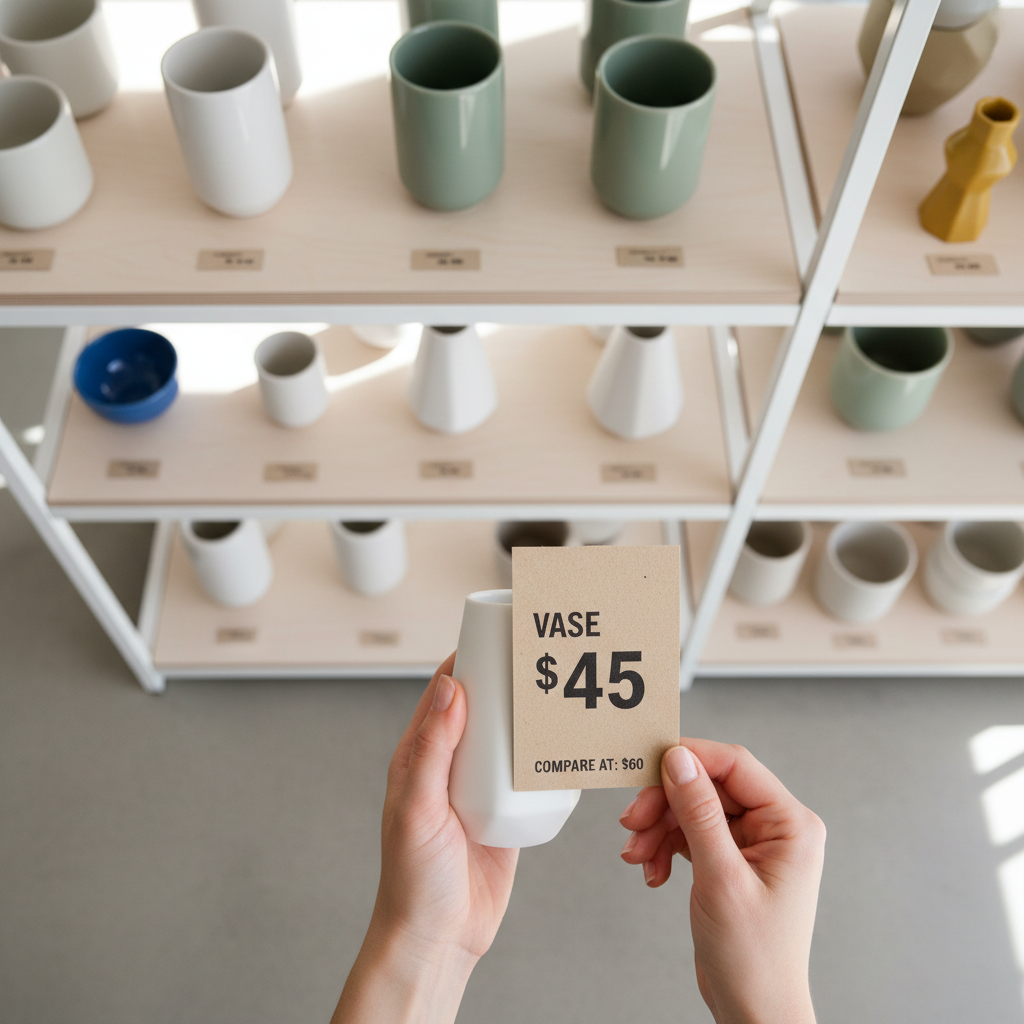
Recent market shifts toward a Practicality Pivot demonstrate that the 2026 consumer is increasingly wary of the low-cost, high-frequency replacement cycle encouraged by national chains. Mindful spending has replaced impulse buying, as households prioritize products that offer functional durability over a temporary discount. While big box retailers focus on price point optimization, independent retailers like Allivhu Shops focus on longevity value. This shift is a critical component of the shop local economic impact, as a dollar spent on a high-quality, long-lasting item provides a better return for the local household budget than three dollars spent replacing a flimsy alternative from a global marketplace.
The anonymous experience of massive online platforms has led to significant digital fatigue. These platforms rely heavily on AI-generated summaries and easily manipulated reviews, creating a trust gap that is difficult for consumers to navigate. In contrast, Allivhu Shops offers a curated selection of practical products that have been human-vetted for the Nephi lifestyle. By applying data-driven curation to our inventory, we eliminate the noise of substandard goods, ensuring that our customers do not have to gamble on quality.
Value Metric | Big Box / Global Marketplace | Allivhu Shops (Independent) |
|---|---|---|
Selection Method | Algorithm-driven volume | Data-informed human curation |
Product Life Cycle | Disposable / Planned obsolescence | Focus on longevity and utility |
Accountability | Remote customer service scripts | Local presence and reputation |
Economic Benefit | Capital extraction from Nephi | Local wealth recirculation |
Choosing a local retailer is no longer just a sentimental act; it is a strategic financial decision. By investing in everyday essentials that serve a purpose and endure, shoppers reduce their total cost of ownership. This shift toward quality-driven consumption strengthens the local economy by rewarding businesses that prioritize utility and transparency. You can read more about our mission in Nephi to see how we leverage technology to select products that meet these rigorous standards for our community.
The Social Impact of High Tech Local Retail

The integration of modern technology into a local storefront changes the traditional shop local economic impact narrative. We move beyond the nostalgia of Main Street to a model of high efficiency that benefits the community socially and environmentally. By utilizing data-driven curation, Allivhu Shops identifies which everyday essentials actually serve the Nephi demographic. This prevents the inventory bloat found in massive warehouses and ensures that our physical footprint remains lean, purposeful, and productive.
Addressing the question, "Why is local shopping better than online shopping?", often leads to a debate between convenience and conscience. However, the high-tech local model proves you do not have to choose. Customers enjoy the ease of digital browsing and seamless transactions while knowing their purchase supports a local storefront rather than a remote conglomerate. This hybrid approach offers a curated selection of practical products with the fulfillment speed of a neighbor, not a distant shipping hub. It provides the digital agility of a global platform with the accountability of a local business owner.
Environmentally, this localized logistics model provides a significant advantage. National e-commerce platforms often rely on multiple long-haul shipping legs, moving a single item through several massive distribution centers before it reaches Juab County. By fulfilling orders locally, we drastically reduce the carbon footprint associated with excessive packaging and thousands of miles of transit. This is a practical application of our technology; we use smart inventory management to place goods closer to the people who need them, minimizing the waste inherent in global supply chains. You can read more about our mission in Nephi to understand how we balance these digital tools with our commitment to the local landscape.
Common Questions About the Shop Local Economic Impact
When considering the shop local economic impact, residents often ask exactly how much money stays local when you shop local. In Utah, independent retailers typically retain roughly 68 percent of every dollar within the state, compared to just 43 percent from national chains. This translates to more robust funding for local road repairs and Juab County school programs. However, a common follow-up is: what are the challenges of shopping locally? Historically, the primary obstacle has been selection size. Small shops cannot physically stock the millions of SKU variations found on global platforms, which often leads shoppers to choose the convenience of a big box store despite wanting to support their community.
At Allivhu Shops, we address this through smart inventory management. Rather than offering an overwhelming amount of junk, we provide a curated selection of practical products chosen specifically for the Nephi lifestyle. By using data to identify everyday essentials that offer the highest functional value, we eliminate the need for endless scrolling or shelf browsing. This creates the human-vetted trust that modern shoppers demand. We solve the selection challenge by focusing on the right products rather than the most products. You can read more about our mission in Nephi to see how our data-driven approach maintains a lean but highly effective retail presence.
Building a Sustainable Future for Juab County
Building a resilient future for Juab County requires a strategic shift toward self reliance. By choosing local for everyday essentials, residents help insulate our local economy from the volatility of global supply chain shifts. When a community relies on a curated selection of practical products maintained by local professionals, it is less susceptible to the inventory shortages that often plague massive global distributors during logistical crises.
This approach moves beyond simple transactions. Every purchase acts as a deliberate vote for the long term character and stability of Nephi. Investing in a business that uses modern technology to optimize local fulfillment ensures that our town remains a hub of economic activity rather than just a residential outpost. You can read more about our mission in Nephi to see how we prioritize these sustainable practices. Ultimately, a strong shop local economic impact ensures that Juab County retains the resources needed to adapt to future challenges, keeping wealth and utility centered within the community.
Understanding the Nephi Multiplier highlights the profound impact that conscious local spending has on our shared prosperity. These economic cycles foster a resilient community where every dollar supports a neighbor or a public service. If you want expert help optimizing your business strategy to benefit from these local connections, we invite you to discover how we operate. You can read more about our approach to see how we help local enterprises succeed. Strengthening our community starts with informed choices and collaborative growth.